Tiramisu Cheesecake: Coffee-Flavored Creamy Dessert
February 19, 2026
Grilled Brie and Apple Sandwich: Sweet and Savory Grilled Treat
February 21, 2026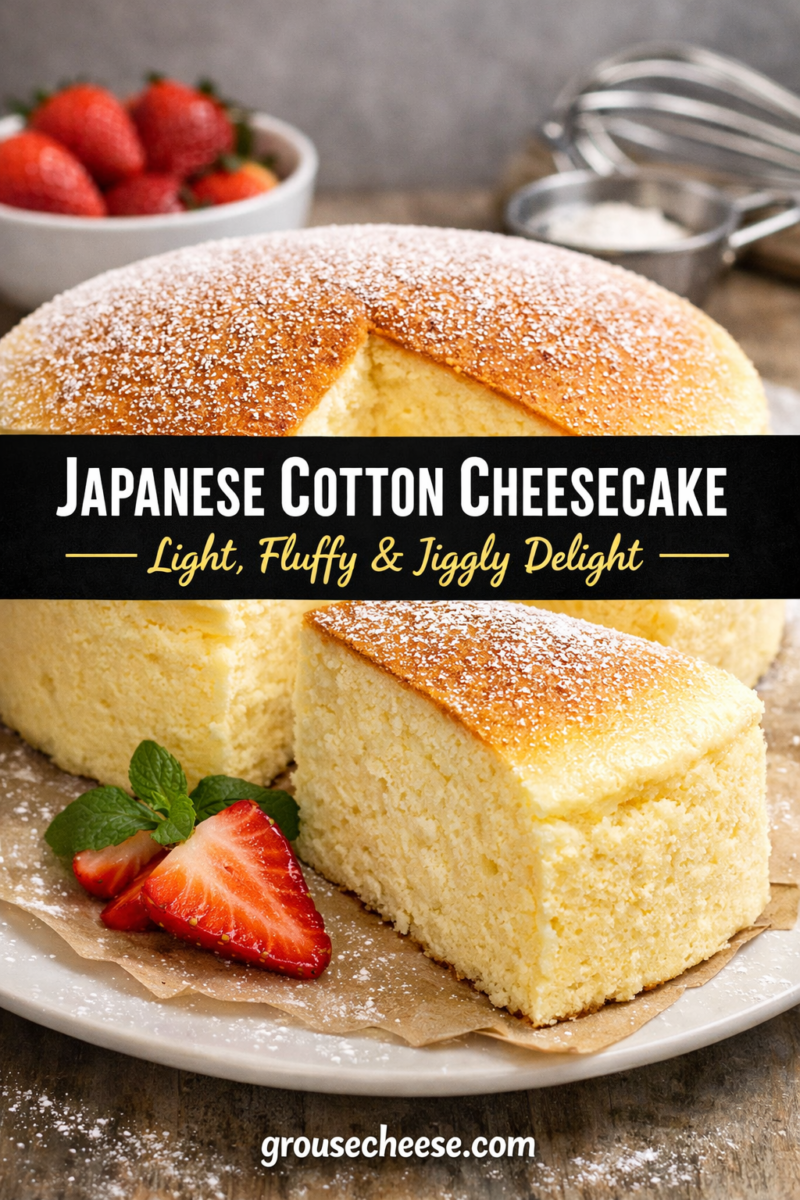
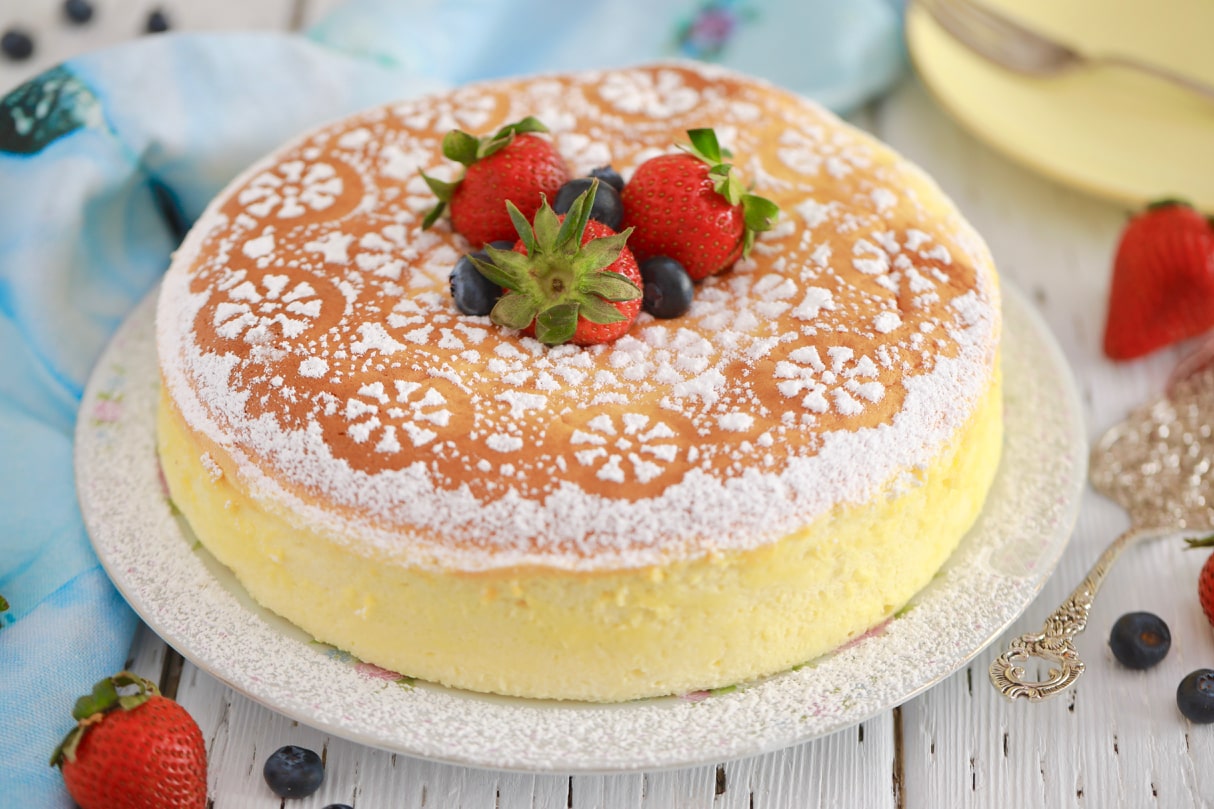
Originating from Japan, this cheesecake has gained immense popularity for its unique preparation method that incorporates meringue for that ethereal lift. Whether you’re baking it for a special occasion or just to satisfy a sweet craving, understanding the nuances of Japanese cotton cheesecake can elevate your dessert game. In this comprehensive guide, we’ll explore its history, key ingredients, a foolproof recipe, tips for success, variations, and more. By the end, you’ll be equipped to create your own version of this fluffy masterpiece.
The History and Origins of Japanese Cotton Cheesecake
The story of Japanese cotton cheesecake begins in post-World War II Japan, where Western influences started blending with traditional Japanese cuisine. Cheesecakes, inspired by European varieties like the German käsekuchen, were adapted to suit local tastes. The “cotton” moniker comes from its cotton-soft texture, a nod to the lightness achieved through innovative baking techniques.
One of the key figures in popularizing this dessert is Tomizo Tayama, the founder of Uncle Tetsu’s Cheesecake, a bakery chain that started in Fukuoka, Japan, in 1990. Uncle Tetsu’s version emphasized simplicity and freshness, using high-quality cream cheese and eggs to create a souffle-like cake that’s baked fresh daily. This approach resonated globally, leading to franchises in countries like Canada, Australia, and the United States.
What sets Japanese cotton cheesecake apart is its evolution from denser cheesecakes. Japanese bakers incorporated elements of chiffon cake, whipping egg whites into a meringue and folding them gently into the batter. This results in a cake that rises dramatically in the oven and then settles into a soft, jiggly form. Over the years, it has become a symbol of Japanese patisserie innovation, often featured in viral videos showcasing its wobbly perfection. Today, home bakers everywhere experiment with this recipe, adapting it to modern kitchens while preserving its fluffy essence.
What Makes Japanese Cotton Cheesecake So Unique?
At first glance, Japanese cotton cheesecake might resemble a standard cheesecake, but its uniqueness lies in the texture and flavor profile. The “cotton” aspect refers to the ultra-soft, sponge-like consistency that’s achieved by separating the eggs and creating a stable meringue. This method introduces air pockets that make the cake incredibly light—almost like eating a cloud infused with subtle cheese flavor.
Compared to American cheesecakes, which rely on graham cracker crusts and heavy cream cheese fillings, Japanese cotton cheesecake skips the crust altogether, focusing on the purity of the batter. It’s less sweet, allowing the natural tang of cream cheese to shine through, balanced by vanilla or lemon zest. The baking process involves a water bath (bain-marie), which prevents cracking and ensures even cooking, contributing to its smooth top and moist interior.
Nutritionally, it’s a lighter option too. With fewer calories per slice due to the whipped egg whites, it’s appealing for those watching their intake without sacrificing indulgence. The jiggly texture, often highlighted in ASMR baking videos, adds a fun, sensory element that’s rare in other desserts. If you’ve ever wondered why this cheesecake “jiggles,” it’s the meringue’s magic—trapping steam during baking for that signature bounce.
Essential Ingredients for Japanese Cotton Cheesecake
To craft an authentic Japanese cotton cheesecake, you’ll need a handful of simple, high-quality ingredients. The star is cream cheese, which provides the creamy base. Opt for full-fat varieties like Philadelphia for the best results, as they ensure richness without heaviness.
Eggs are crucial—typically six large ones, separated into yolks and whites. The yolks blend with the cheese for smoothness, while the whites are whipped with sugar to form the meringue that gives the cake its lift. Flour and cornstarch (or cornflour) add structure without density; about 1/4 cup of each is standard. Milk or cream thins the batter slightly, and a touch of butter enhances moisture.
Flavorings include vanilla extract for warmth and lemon juice for a subtle tang that cuts through the richness. Sugar is used sparingly—around 1/2 cup—to keep it light. Some recipes incorporate white chocolate or yogurt for variations, but the classic stays true to these basics. Always use room-temperature ingredients to prevent lumps and ensure even mixing, setting the foundation for that perfect fluffy texture.
Step-by-Step Recipe: How to Make Japanese Cotton Cheesecake at Home
Ready to bake your own Japanese cotton cheesecake? This recipe serves 8-10 and takes about 1.5 hours, plus cooling time. Preheat your oven to 320°F (160°C) and prepare an 8-inch round cake pan lined with parchment paper.
Ingredients:
- 250g cream cheese, softened
- 50g unsalted butter
- 100ml whole milk
- 6 large eggs, separated
- 60g cake flour
- 20g cornstarch
- 1/4 tsp salt
- 1 tsp vanilla extract
- 1 tbsp lemon juice
- 100g granulated sugar (divided)
- Powdered sugar for dusting
Instructions:
- In a double boiler, melt the cream cheese, butter, and milk over low heat, stirring until smooth. Remove from heat and let cool slightly.
- Whisk in the egg yolks, vanilla, and lemon juice until combined.
- Sift the flour, cornstarch, and salt into the mixture, folding gently to avoid lumps.
- In a separate bowl, beat the egg whites until foamy. Gradually add 50g sugar, whipping to soft peaks, then add the remaining sugar to reach stiff peaks.
- Fold one-third of the meringue into the cheese batter to lighten it, then gently fold in the rest in two additions, preserving the air.
- Pour into the prepared pan. Place in a larger pan filled with hot water (about 1 inch deep) for the water bath.
- Bake at 320°F for 60-70 minutes, until the top is golden and a toothpick comes out clean. Turn off the oven and leave the door ajar for 15 minutes to prevent sinking.
- Cool completely on a wire rack, then refrigerate for at least 4 hours. Dust with powdered sugar before serving.
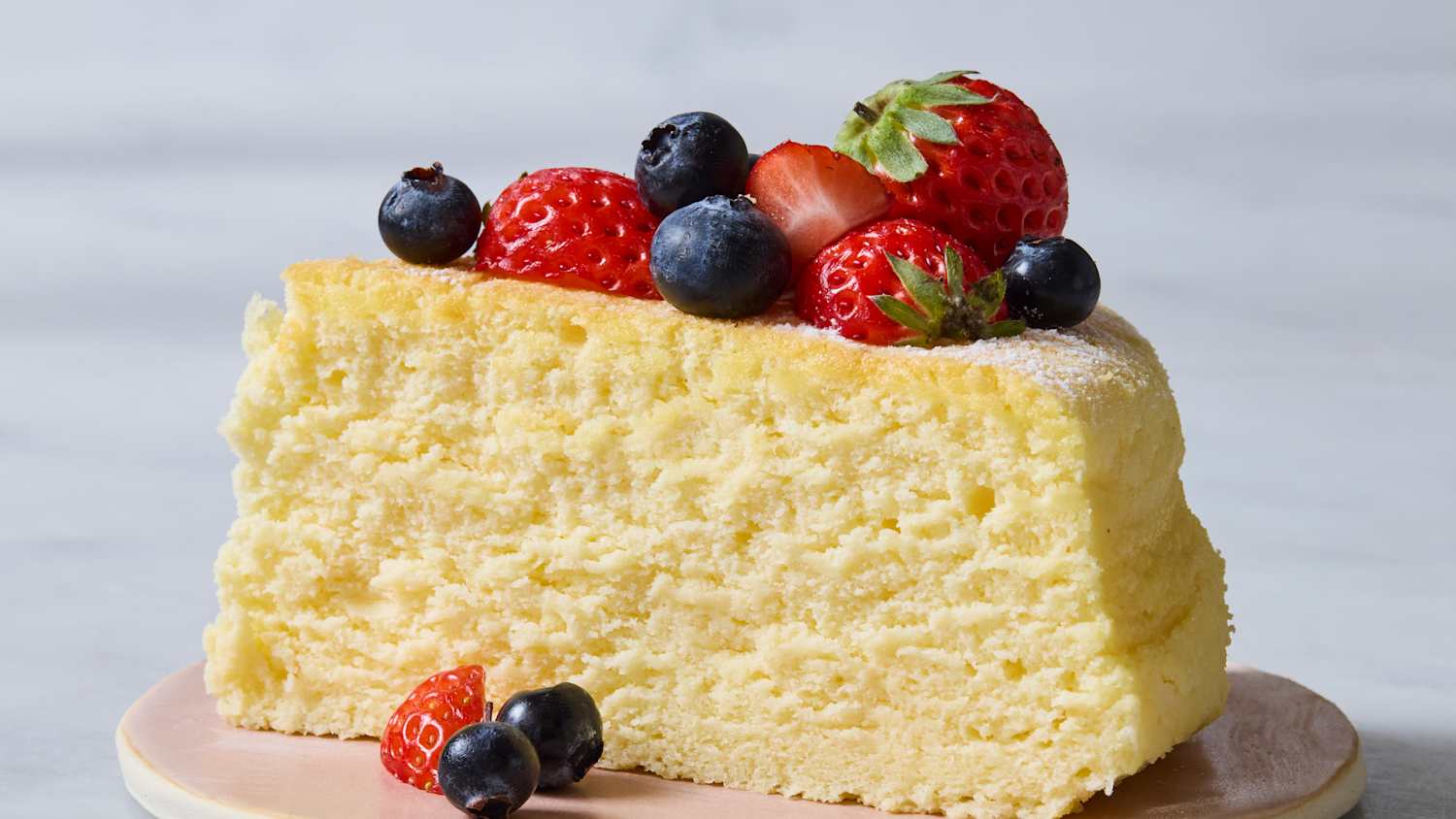
This method ensures your Japanese cotton cheesecake rises beautifully and maintains its soft, light crumb.
Baking Tips for Perfect Japanese Cotton Cheesecake
Achieving the ideal Japanese cotton cheesecake requires attention to detail. First, avoid overbeating the meringue—stiff peaks are key, but too much can lead to a dry cake. Fold gently to keep the batter airy; overmixing deflates it.
The water bath is non-negotiable for even baking and crack prevention. Wrap your pan in foil if it’s not seamless to prevent leaks. Temperature control matters; bake low and slow to avoid browning too quickly.
If your cake sinks, it might be underbaked—check doneness with a skewer. Altitude can affect rise, so adjust sugar or flour slightly if needed. Store leftovers in the fridge for up to 3 days, but bring to room temperature for the best texture. With practice, you’ll master this fluffy delight.
Delicious Variations of Japanese Cotton Cheesecake
While the classic is unbeatable, variations add excitement. Try matcha Japanese cotton cheesecake by adding 1-2 tbsp green tea powder to the batter for an earthy twist. Chocolate lovers can melt white or dark chocolate into the cream cheese base.
For a fruity version, incorporate pureed strawberries or mango into the mix, or top with fresh berries post-baking. Vegan adaptations use aquafaba for meringue and dairy-free cream cheese. Mini versions in muffin tins are great for portions, baking in 20-25 minutes. These tweaks keep the core fluffy nature intact while expanding flavors.
Serving Suggestions and Pairings
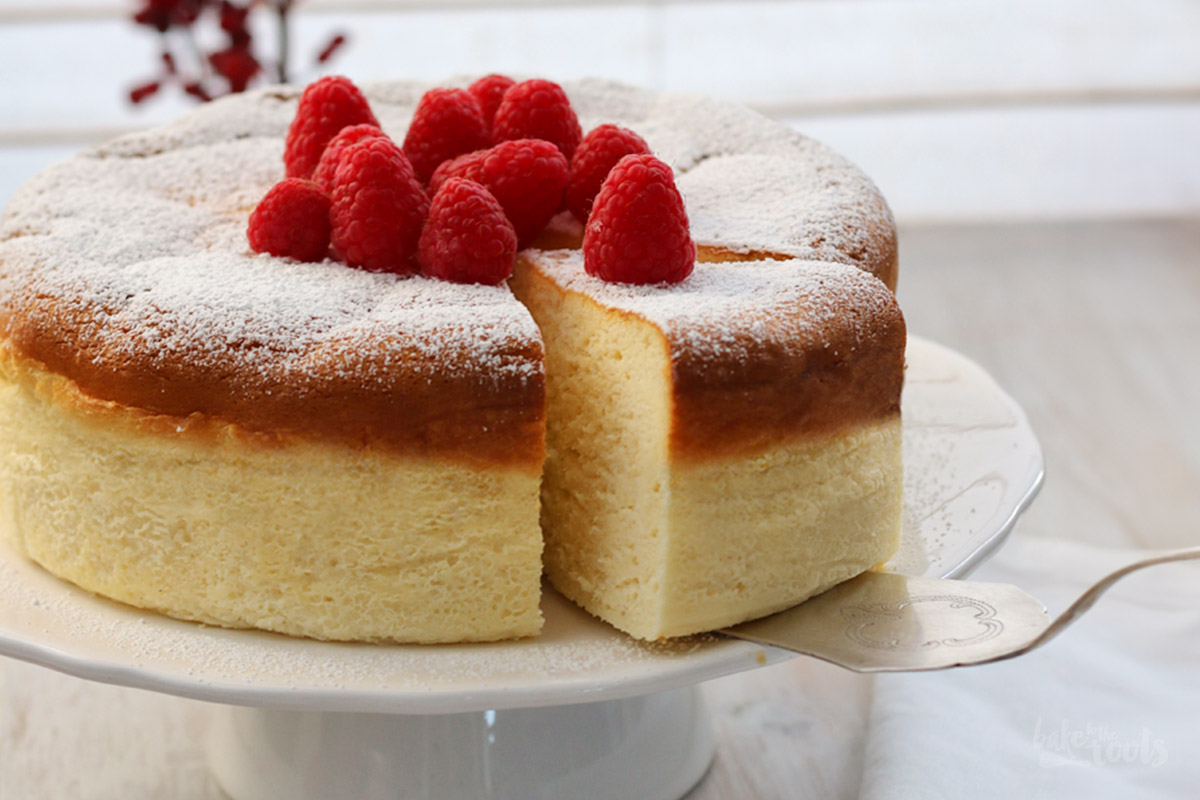
Serve Japanese cotton cheesecake chilled or at room temperature, dusted with powdered sugar. Pair with fresh fruits like berries or citrus for contrast. It complements green tea or coffee beautifully, enhancing its subtle flavors. For elegance, add a berry compote or whipped cream drizzle.
FAQs About Japanese Cotton Cheesecake
What is the difference between Japanese cotton cheesecake and regular cheesecake? Japanese cotton cheesecake is lighter and fluffier due to the meringue, while regular cheesecakes are denser with a crust.
Why does my Japanese cotton cheesecake crack? Cracks often occur from rapid temperature changes. Use a water bath and cool gradually in the oven.
Can I make Japanese cotton cheesecake without a water bath? It’s possible but not recommended, as it may lead to uneven baking and dryness.
How long does Japanese cotton cheesecake last? Refrigerated, it lasts 3-5 days. Freeze slices for up to a month.
Is Japanese cotton cheesecake gluten-free? Substitute cake flour with gluten-free alternatives, but check cornstarch for cross-contamination.
Final Words
Japanese cotton cheesecake embodies the art of delicate baking, offering a fluffy, soft, and light alternative to heavier desserts. Whether you’re a novice or seasoned baker, this treat invites experimentation and joy in the kitchen. Give it a try, and you’ll understand why it’s beloved worldwide. Happy baking!