

Mini Cheese-Stuffed Samosas: Perfect Appetizers for Any Occasion
December 17, 2025
Chocolate Cream Cheese Frappe: Decadent and Delicious Recipe
December 18, 2025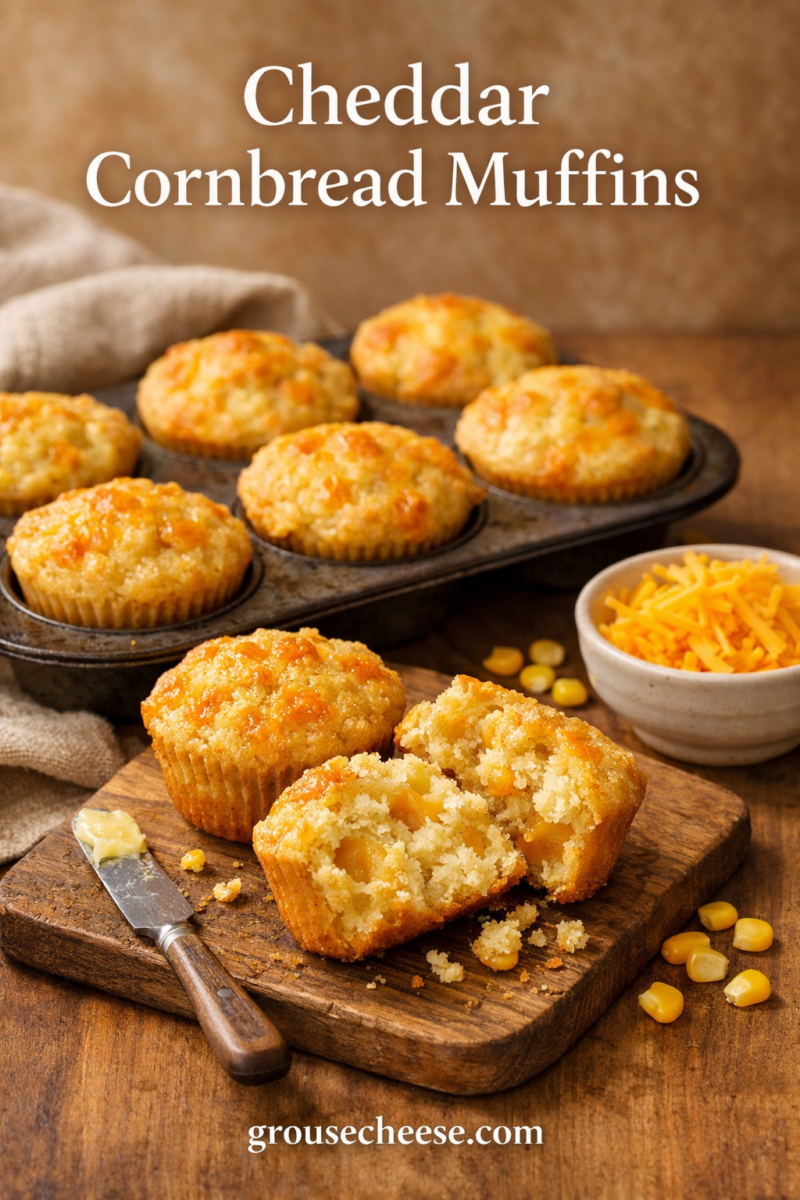
There is something undeniably comforting about the smell of baking cornmeal. It evokes memories of cozy kitchens, hearty meals, and the simple pleasure of homemade food. While sweet pastries often dominate the breakfast table, sometimes you crave something with a bit more substance and savory depth. Enter cheddar cornbread muffins. These golden, cheesy delights are the perfect answer to the morning sugar overload, offering a savory start to the day that keeps you satisfied until lunch.
In this guide, we aren’t just tossing a recipe your way; we are diving deep into what makes these muffins a staple in so many households. Whether you are looking for a grab-and-go breakfast, a side dish for your evening chili, or a savory snack, cheddar cornbread muffins fit the bill perfectly. We will cover why you need to try them, how to bake them to moist perfection, and the best ways to serve them up.
Why Cheddar Cornbread Muffins Are a Must-Try
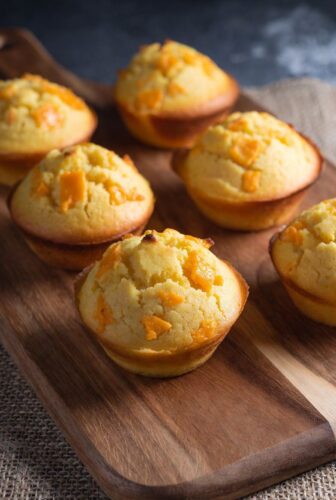
If you have always associated muffins with blueberries or chocolate chips, you are in for a serious treat. Savory baking opens up a whole new world of flavor profiles, and cheddar cornbread muffins are leading the charge.
The Perfect Flavor Balance
Cornbread on its own has a mild, earthy sweetness derived from the corn itself. When you introduce sharp cheddar cheese into the mix, magic happens. The saltiness and tang of the cheese cut through the density of the cornmeal, creating a balanced bite that hits multiple flavor notes at once. It’s not just bread; it’s a savory experience.
Texture That Satisfies
One of the biggest complaints about traditional muffins is that they can be too airy or dry. Cheddar cornbread muffins boast a unique texture that is both crumbly and moist. The cornmeal provides a pleasant, slightly gritty structure that feels substantial, while the melting cheese creates pockets of gooey softness throughout the muffin. This contrast makes every bite interesting.
Versatility in the Kitchen
These aren’t just for breakfast. While they pair beautifully with eggs and bacon, they are equally at home next to a bowl of tomato soup or a hearty beef stew. You can pack them in a lunchbox, serve them at a brunch buffet, or warm one up for a midnight snack. They are a utility player in your kitchen arsenal—reliable, delicious, and adaptable to almost any meal.
How to Make Cheddar Cornbread Muffins
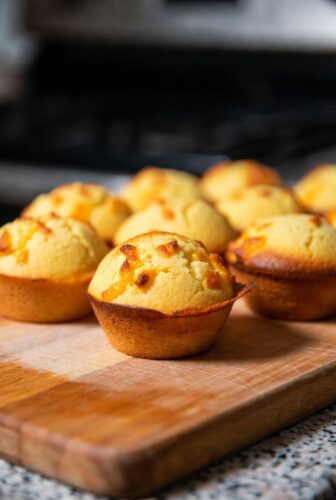
Making cheddar cornbread muffins from scratch is surprisingly simple. You don’t need fancy equipment—just a couple of bowls, a whisk, and a muffin tin. The key is in the technique and the quality of your ingredients.
Essential Ingredients
Before you preheat that oven, let’s look at what goes into the perfect batch.
- Cornmeal: The star of the show. Yellow cornmeal is traditional and offers a beautiful golden hue. For a more rustic texture, look for stone-ground cornmeal.
- All-Purpose Flour: This helps bind the muffins together so they aren’t too crumbly.
- Cheddar Cheese: Sharp or extra-sharp cheddar is best. The strong flavor stands up well against the cornmeal. Grating your own cheese from a block usually results in better melting than pre-shredded bags, which often contain anti-caking agents.
- Leavening Agents: Baking powder and baking soda are crucial for giving your muffins a nice rise.
- Fat: Melted butter provides rich flavor, while a bit of oil can help keep the muffins moist for days.
- Dairy: Buttermilk is the secret weapon here. Its acidity reacts with the baking soda for a better rise and adds a subtle tang that complements the cheese perfectly. If you don’t have buttermilk, regular milk works too, though the texture might be slightly different.
- Eggs: These provide structure and richness.
- Optional Add-ins: Diced jalapeños, green onions, or corn kernels (fresh or frozen) can add texture and extra flavor layers.
Step-by-Step Baking Guide
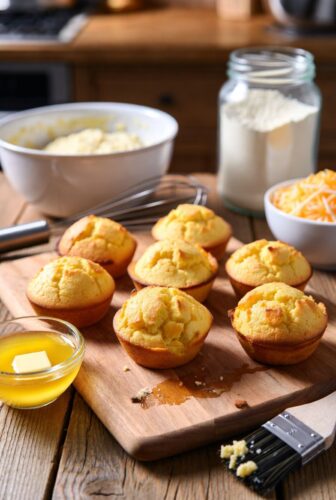
Follow these steps to ensure your cheddar cornbread muffins come out perfect every time.
1. Prep Your Station
Preheat your oven to 400°F (200°C). High heat helps give muffins that signature domed top. Grease a 12-cup muffin tin with butter or cooking spray, or line it with paper liners.
2. Mix Dry Ingredients
In a large bowl, whisk together the cornmeal, flour, sugar (just a tablespoon to enhance the corn flavor), baking powder, baking soda, and salt. Whisking aerates the flour and ensures the leavening agents are evenly distributed, preventing uneven rising.
3. Mix Wet Ingredients
In a separate medium bowl, whisk the eggs, buttermilk, and melted butter. If you are adding honey for a touch of sweetness, mix it in here.
4. Combine and Fold
Pour the wet ingredients into the dry ingredients. Stir gently with a spatula or wooden spoon. Stop mixing as soon as the flour streaks disappear. Overmixing develops gluten, which can make your muffins tough and chewy instead of tender.
5. Add the Cheese
Gently fold in your grated cheddar cheese (and any other add-ins like jalapeños or corn kernels). Reserve a small handful of cheese to sprinkle on top before baking.
6. Bake
Divide the batter evenly among the muffin cups. Sprinkle the reserved cheese on top. Bake for 15-20 minutes, or until the tops are golden brown and a toothpick inserted into the center comes out clean.
7. Cool
Let the muffins cool in the pan for about 5 minutes before transferring them to a wire rack. This prevents them from falling apart when you try to remove them.
Tips for Success
- Room Temperature Ingredients: Use room temperature eggs and buttermilk. They emulsify better into the batter, leading to a more uniform texture.
- Don’t Overbake: Cornbread dries out quickly. Check them a minute or two before the timer goes off.
- Fresh Baking Powder: Ensure your leavening agents aren’t expired, or your muffins will be flat and dense.
Serving Suggestions
Once you have pulled a fresh batch of cheddar cornbread muffins from the oven, how should you serve them? While eating them warm straight from the pan is perfectly acceptable (and encouraged), here are some pairing ideas to elevate the experience.
Breakfast Pairings
- Savory Spread: Slice a warm muffin in half and slather it with honey butter or a compound butter made with chives and garlic.
- Eggs Benedict Twist: Use a split muffin as the base for a Southern-style Eggs Benedict. Top it with a poached egg and a spicy hollandaise sauce.
- Breakfast Sandwich: If your muffins are large enough, slice them open and insert a sausage patty or a slice of ham for a hearty handheld breakfast.
Lunch and Dinner Accompaniments
- Chili Companion: This is the classic pairing. The savory, cheesy muffin is the perfect vehicle for scooping up spicy beef or bean chili.
- Soup Sidekick: Serve alongside creamy tomato soup, roasted red pepper soup, or a chunky potato chowder. The texture of the cornbread contrasts beautifully with smooth soups.
- BBQ Platter: No barbecue plate is complete without cornbread. These muffins hold their own against smoky ribs, pulled pork, and brisket.
Snack Time
- Cheesy Snack: Warm a muffin in the microwave for 15 seconds to re-melt the cheese pockets inside. It’s an instant comfort snack.
- Salad Topper: Crumble a day-old muffin over a taco salad or a hearty kale salad instead of using croutons.
FAQs
Here are some common questions home bakers have about making and storing cheddar cornbread muffins.
How do I store leftover muffins?
To keep your muffins fresh, store them in an airtight container at room temperature for up to two days. If you need to keep them longer, place them in the refrigerator for up to a week. Because they contain cheese, the fridge is safer for long-term storage, though it can dry them out slightly. Simply reheat them in the microwave or oven before eating.
Can I freeze cheddar cornbread muffins?
Absolutely. These muffins freeze very well. Wrap each muffin individually in plastic wrap and then place them all in a heavy-duty freezer bag. They will keep for up to three months. To eat, thaw them on the counter for a few hours or microwave them directly from frozen.
My muffins turned out dry. What went wrong?
Dryness usually comes from one of two things: overbaking or too much flour. Make sure you measure your flour correctly (spoon and level method) and watch the oven closely. Also, using low-fat milk instead of buttermilk or whole milk can reduce the fat content needed for moisture.
Can I make these gluten-free?
Yes, you can easily adapt this recipe. Ensure your cornmeal is certified gluten-free (corn is naturally gluten-free, but cross-contamination happens). Replace the all-purpose flour with a high-quality 1-to-1 gluten-free baking flour blend. The texture might be slightly different, but still delicious.
Can I use white cheddar instead of yellow?
Yes, you can use any semi-hard cheese you like. White cheddar, pepper jack for heat, or even gouda work well. White cheddar will just mean you won’t see the orange flecks of cheese, but the flavor will still be fantastic.
Why did my muffins crumble apart?
Cornmeal has no gluten, so it doesn’t hold together as well as wheat flour. If you reduce the amount of all-purpose flour or add too much cornmeal, the muffins won’t have enough structure to hold together. Ensuring you have the right ratio of flour to cornmeal (usually 1:1) helps prevent this.
Final Words
Breakfast doesn’t always have to mean pancakes or cereal. Cheddar cornbread muffins offer a delightful departure from the norm, bringing a savory, hearty, and deeply satisfying element to your morning routine. They are easy to make, incredibly versatile, and appeal to both kids and adults alike.
Whether you are hosting a brunch, looking for the perfect side for your famous chili, or just want a better grab-and-go option for busy weekdays, these muffins deliver. The combination of sharp cheddar and earthy cornmeal creates a flavor profile that feels like home.
So, grab your mixing bowl and preheat that oven. Once the aroma of baking corn and melting cheese fills your kitchen, you’ll wonder why you didn’t make them sooner. Give this recipe a try and watch how quickly they disappear from the cooling rack.