

Grilled Cheese Naan Melt: Quick and Cheesy Meal Idea
January 4, 2026
Cheddar Bacon Deviled Eggs: A Flavorful Twist on a Classic
January 12, 2026
Biryani has long held the crown as the ultimate comfort food for many, but vegetarians often feel left out of the conversation when traditional meat-heavy versions take center stage. Enter cottage cheese biryani—a robust, aromatic, and incredibly satisfying alternative that doesn’t just mimic the original but stands proudly on its own culinary merits.
If you are looking for a meal that balances the rich, royal history of Indian cuisine with modern dietary needs, this dish is your answer. It is not just about swapping meat for cheese; it is about creating a symphony of textures where soft, marinated cubes of paneer (cottage cheese) absorb the deep flavors of saffron, cardamom, and caramelized onions. Whether you are hosting a dinner party or simply craving something special for a Sunday lunch, this guide will walk you through everything you need to know about crafting the perfect pot of biryani.
The Origins and Evolution of Biryani
Biryani is more than just a rice dish; it is a cultural phenomenon with roots that trace back to the royal kitchens of the Mughal Empire. The word “biryani” comes from the Persian word “birian,” which means “fried before cooking.” Historically, rice was fried in ghee before being boiled with water and spices to ensure the grains remained separate and fluffy.
While the original versions were heavily meat-based—featuring goat, chicken, or lamb—the evolution of Indian cuisine has seen incredible regional adaptations. As vegetarianism became more prominent across the subcontinent, cooks began experimenting with hearty substitutes. Vegetables like cauliflower and potatoes were early contenders, but cottage cheese biryani emerged as a favorite for a specific reason: protein and texture.
Paneer, or Indian cottage cheese, has a firm texture that doesn’t disintegrate during the slow-cooking process (known as “dum”). This makes it the perfect vessel for the intense marinades that define a good biryani. Today, this version is celebrated not as a substitute, but as a delicacy in its own right, bridging the gap between ancient Persian cooking techniques and modern vegetarian preferences.
Why Choose Cottage Cheese Biryani?
Beyond the incredible taste, there are practical reasons to love this dish.
A Protein Powerhouse
For vegetarians, finding high-protein meals that aren’t just lentils can be a challenge. Paneer is a fantastic source of protein. A single serving of cottage cheese biryani can provide a significant portion of your daily protein intake, making it ideal for muscle repair and satiety.
Texture and Versatility
Meat can sometimes be tough or dry if overcooked. Paneer, however, remains soft and succulent. It absorbs flavor much faster than meat, meaning you don’t need to marinate it overnight. Thirty minutes is often enough to let the spices penetrate the cheese cubes deeply.
Perfect for Crowds
This dish scales beautifully. Whether you are cooking for two or twenty, the process remains largely the same. It is a “one-pot” wonder (if you layer it correctly) that looks impressive on the table but requires less active cooking time than a multi-course meal.
Essential Ingredients for the Perfect Pot
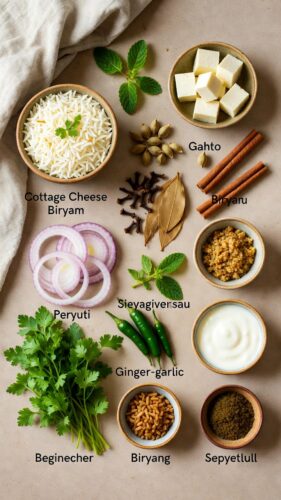
To make a restaurant-quality cottage cheese biryani, sourcing the right ingredients is half the battle.
The Star: Paneer (Cottage Cheese)
You want firm, fresh paneer. If you can find “malai paneer” (cream cottage cheese), that is even better as it stays softer. Cut them into generous 1-inch cubes so they don’t get lost in the rice.
The Foundation: Basmati Rice
Do not compromise here. You need high-quality, aged Basmati rice. Aged rice has less moisture, which ensures the grains cook up long, slender, and separate.
The Aromatics
- Whole Spices: Bay leaves, cinnamon sticks, green cardamom, cloves, and star anise. These provide the background notes.
- Ground Spices: Turmeric, red chili powder, coriander powder, and most importantly, a high-quality biryani masala or garam masala.
- Fresh Herbs: A generous amount of fresh mint and cilantro (coriander leaves). These fresh herbs cut through the richness of the dairy.
- Saffron: Soaked in warm milk, this gives the rice those beautiful orange streaks and a distinctive floral aroma.
The Marinade Base
Thick yogurt (curd) is essential. It tenderizes the paneer and forms the base of the gravy (masala) that coats the rice.
Step-by-Step Preparation Guide
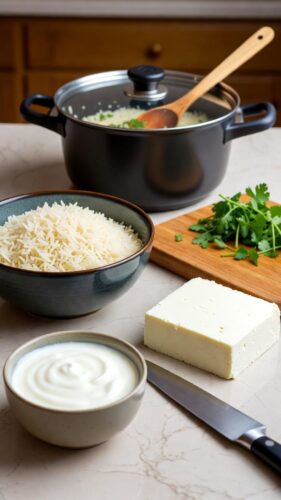
Making cottage cheese biryani involves three main stages: preparing the rice, making the masala base, and the final layering (dum).
Step 1: Marinating the Paneer
Mix thick yogurt with ginger-garlic paste, turmeric, red chili powder, garam masala, salt, and a squeeze of lemon juice. Toss your paneer cubes in this mixture gently. Let it sit for at least 30 minutes. This ensures every bite of cheese is exploding with flavor.
Step 2: Cooking the Rice
Wash the Basmati rice gently until the water runs clear. Soak it for 20 minutes.
Boil a large pot of water with a bay leaf, a few cloves, and plenty of salt. The water should taste slightly salty, like sea water. Add the soaked rice and cook until it is 70-80% done. The grain should have a slight bite in the center. Drain immediately and spread it on a tray to cool slightly.
Step 3: The Masala Base
In a heavy-bottomed pan or Dutch oven, heat ghee or oil. Add sliced onions and fry them until they are deep golden brown (these are your “barista”). Remove half for garnish.
In the same oil, add whole spices followed by ginger-garlic paste. Add chopped tomatoes and cook until mushy. Add your marinated paneer and cook on medium heat for 5-7 minutes. The oil should start separating from the masala. Do not overcook the paneer, or it will become rubbery.
Step 4: Layering (The Dum Process)
Reduce the heat to the lowest setting.
- Layer 1: Spread the paneer masala evenly at the bottom of the pot.
- Layer 2: Sprinkle chopped mint and cilantro over the masala.
- Layer 3: Layer the semi-cooked rice over the herbs.
- Layer 4: Drizzle saffron milk and a tablespoon of ghee over the rice. Top with the reserved fried onions.
Step 5: Seal and Cook
Cover the pot with a tight-fitting lid. Traditionally, dough is used to seal the edges, but a sheet of aluminum foil under the lid works perfectly. Cook on low heat for 15-20 minutes. Turn off the heat and let it rest for another 10 minutes. This resting period allows the moisture to redistribute, ensuring fluffy rice.
Health Benefits of Cottage Cheese Biryani
While biryani is often considered an indulgence, cottage cheese biryani brings several nutritional benefits to the table, especially when prepared at home where you can control the oil and salt.
1. High Quality Protein:
As mentioned, paneer is a complete protein, containing all nine essential amino acids. This is crucial for vegetarians who need diverse protein sources.
2. Calcium Rich:
Paneer is an excellent source of calcium, vital for bone health and dental strength. It also contains phosphorus, which works in tandem with calcium to maintain bone integrity.
3. Digestive Health:
The spices used in biryani are not just for flavor. Ginger, garlic, cumin, and cardamom are known digestive aids. They help prevent bloating and stimulate digestion. Additionally, using yogurt in the marinade provides probiotics that support gut health.
4. Balanced Energy:
The combination of carbohydrates from rice and fats/proteins from the paneer provides sustained energy. Unlike simple sugars, this meal offers a complex nutritional profile that keeps you full for longer.
Serving Suggestions: Completing the Meal
A great cottage cheese biryani deserves great accompaniments. While it is flavorful enough to eat on its own, side dishes can elevate the experience.
Raita
A cooling yogurt-based side is non-negotiable. Cucumber raita or a “boondi” raita (crisp chickpea flour pearls in yogurt) helps balance the heat of the spices. Season it simply with roasted cumin powder and black salt.
Salan
In Hyderabad, biryani is often served with Mirchi Ka Salan—a nutty, tangy curry made with peanuts, sesame seeds, and green chilies. This rich gravy adds moisture and a tangy kick.
Salad
A simple “kachumber” salad made of diced onions, tomatoes, cucumbers, and lemon juice adds a refreshing crunch that contrasts beautifully with the soft rice and paneer.
Pickle and Papadum
A spicy mango or lime pickle and a roasted papadum add texture and acidity, rounding out the flavor profile of the meal.
Common Mistakes to Avoid
Even experienced cooks can stumble when making biryani. Watch out for these pitfalls:
- Overcooking the Rice: If you boil the rice until it is fully cooked before layering, it will turn into mush during the steaming process. Always aim for “al dente” or 70% cooked.
- Ignoring the Marination: Paneer is bland on its own. If you skip the marination time, the cheese will taste plain against the spicy rice.
- Too Much Water: The masala (gravy) shouldn’t be too watery. It should be a thick, coating consistency. Too much liquid at the bottom will boil the rice instead of steaming it.
- Mixing Too Vigorously: When serving, use a gentle hand. Dig deep with a flat spatula to get all layers, but don’t stir it like a soup. You want to preserve the distinct grains of rice.
Frequently Asked Questions (FAQs)
Q: Can I use tofu instead of cottage cheese for a vegan version?
A: Absolutely. Firm tofu is a great substitute. Press the tofu first to remove excess water so it absorbs the marinade better. Substitute the yogurt with a plant-based yogurt like cashew or coconut yogurt to make the entire dish vegan.
Q: How do I prevent the biryani from burning at the bottom?
A: Use a heavy-bottomed pot or Dutch oven. If your pot is thin, place a flat skillet (tawa) on the stove burner and place your biryani pot on top of that. This diffuses the heat and prevents direct scorching.
Q: Can I make cottage cheese biryani in an Instant Pot?
A: Yes, the Instant Pot is great for biryani. You can sauté the spices and paneer first, then add the rinsed rice and water (usually a 1:1 ratio for rice to water). Cook on high pressure for 5-6 minutes and do a quick release to prevent the rice from getting too soft.
Q: Is cottage cheese biryani gluten-free?
A: Yes, naturally. Rice, paneer, spices, and vegetables are all gluten-free. However, always check the label on your asafoetida (hing) if you use it, as some brands mix it with wheat flour.
Q: How long can I store leftovers?
A: Leftover cottage cheese biryani stores well in an airtight container in the refrigerator for 3-4 days. Sprinkle a few drops of water over it before reheating in the microwave to fluff up the rice again.
Q: My paneer turned hard and rubbery. Why?
A: This usually happens if the paneer is overcooked or fried for too long before adding to the masala. Paneer needs gentle heat. If you fry the cubes beforehand, soak them in warm water for 10 minutes to keep them soft before adding to the gravy.
Final Words
Cottage cheese biryani is a testament to the versatility of Indian cooking. It proves that you do not need meat to create a dish that is royal, complex, and deeply satisfying. It is a celebration of spices, textures, and aromas that brings people together around the dining table.
Whether you are a lifelong vegetarian or a meat-eater looking to diversify your dinner rotation, this dish offers a perfect balance of nutrition and indulgence. The fluffy, fragrant rice paired with the creamy, spicy paneer creates a bite that is nothing short of magical.
So, gather your spices, soak your saffron, and get ready to impress your family (and yourself). Once you master the art of the “dum,” this recipe will likely become a permanent fixture in your culinary repertoire. Bon appétit