

Grilled Cheese Tomato Melt: Savory and Easy Sandwich Recipe
January 17, 2026
Nutritional Yeast Cheese Sauce: Quick and Flavorful Vegan Sauce
January 18, 2026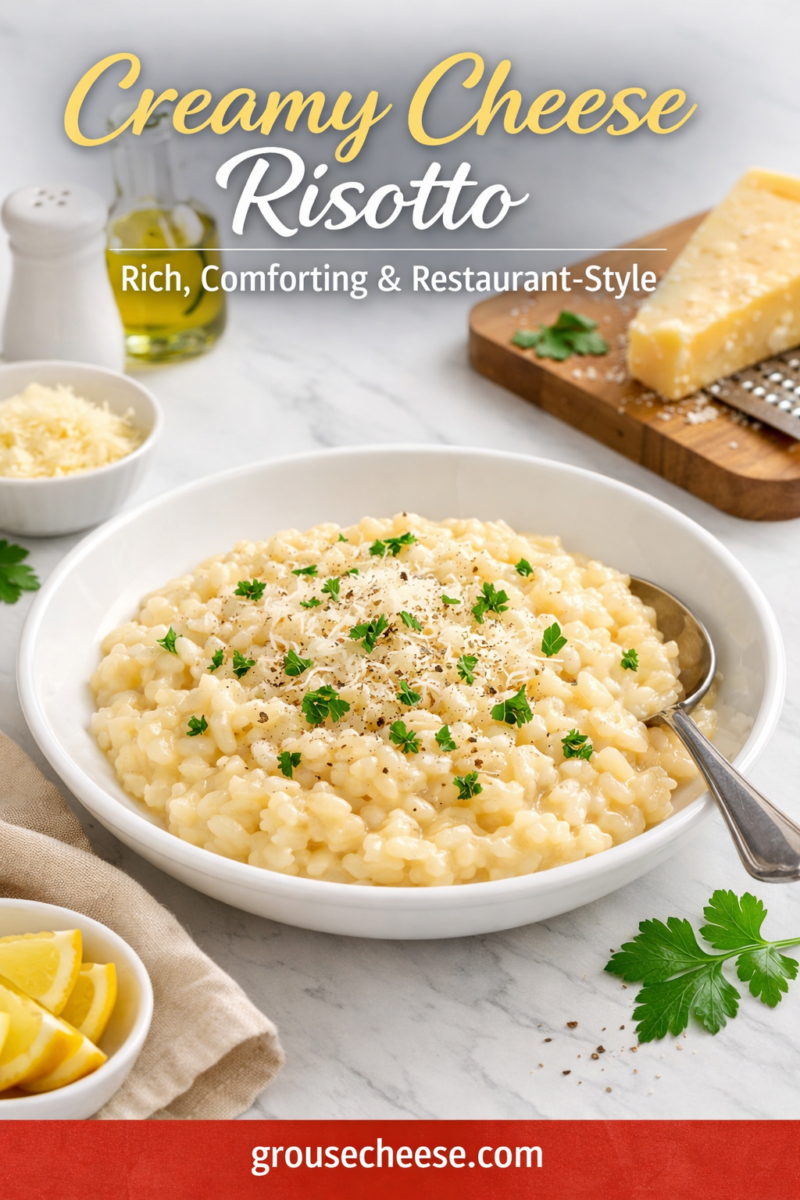
There is something undeniable about the magic of a warm bowl of risotto. It’s one of those dishes that feels like a hug in a bowl—rich, velvety, and deeply satisfying. When you add the right blend of cheeses, it transforms from a simple rice dish into a gourmet experience right in your own kitchen. If you have been searching for the ultimate comfort food that balances elegance with heartiness, this creamy cheese risotto is exactly what you need.
Many home cooks are intimidated by risotto. They’ve heard horror stories about standing over a hot stove, stirring endlessly for hours, or ending up with mushy, overcooked rice. We are here to dispel those myths. Making a restaurant-quality creamy cheese risotto is surprisingly achievable. With a few key techniques and quality ingredients, you can create a meal that is smooth, cheesy, and utterly comforting.
In this guide, we will walk you through everything you need to know. We’ll cover the essential ingredients, the step-by-step process for that perfect texture, and troubleshooting tips to ensure success every time. Whether you are cooking for a date night or a cozy family dinner, this dish is sure to impress.
The Secret to the Perfect Creamy Cheese Risotto
Before we dive into the recipe, it is helpful to understand what actually makes risotto creamy. Unlike other rice dishes where you might rinse the grains to remove starch, risotto relies on that starch. The specific type of rice used releases amylopectin (a type of starch) as it cooks slowly with liquid. This natural starch creates the signature velvety sauce that coats every grain.
When we talk about a creamy cheese risotto, we are doubling down on that richness. We aren’t just relying on the rice starch; we are enhancing it with melting cheeses that emulsify into the broth. The result is a texture that is loose enough to spread on a plate but thick enough to hold its shape on a fork—often described by Italian chefs as all’onda (wavy).
Essential Ingredients for Success
To make a truly spectacular cheesy risotto recipe, you need to start with the right building blocks. Here is what you will need:
1. The Rice: Arborio or Carnaroli
You cannot use long-grain rice like Basmati or Jasmine here. You need a short-to-medium grain rice with high starch content. Arborio is the most common and widely available option in supermarkets. If you can find Carnaroli, often called the “king of rices,” grab it—it holds its shape slightly better and is more forgiving to overcooking.
2. The Broth
Since the rice absorbs the liquid, your broth dictates the base flavor. A high-quality chicken broth provides a savory depth that pairs beautifully with cheese. For a vegetarian option, a rich vegetable stock works wonders. Avoid water, as it will result in a bland dish.
3. The Cheeses
This is a creamy cheese risotto, so the cheese selection is paramount.
- Parmesan (Parmigiano-Reggiano): This is non-negotiable. It adds saltiness and umami. Always grate it fresh from a block; pre-grated versions contain anti-caking agents that prevent smooth melting.
- Mascarpone or Cream Cheese: A dollop of this at the end adds a luxurious, milky creaminess.
- Optional Melters: Fontina, Taleggio, or Gruyère are excellent additions if you want a sharper, gooier texture.
4. Aromatics and Wine
A base of finely diced onion (yellow or white) and fresh garlic sets the stage. A splash of dry white wine (like Pinot Grigio or Sauvignon Blanc) helps deglaze the pan and adds a necessary acidity to cut through the richness of the cheese.
Step-by-Step Preparation Guide
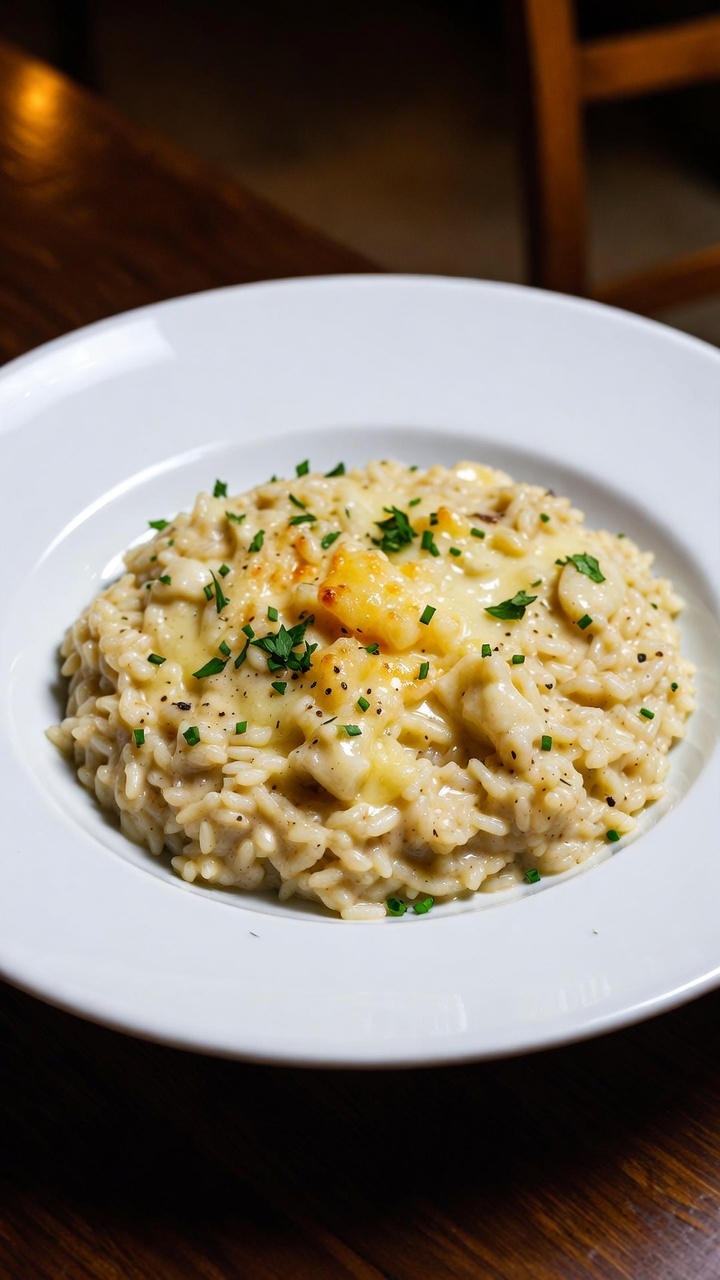
Learning how to make risotto is about mastering a simple rhythm: ladle, stir, wait, repeat.
Phase 1: The Toast (Tostatura)
Start by heating your broth in a separate saucepan. It must be hot when you add it to the rice to maintain the cooking temperature.
In a large, heavy-bottomed pot or Dutch oven, melt a mixture of butter and olive oil over medium heat. Add your finely diced onions and sauté until translucent, but not browned. Add the garlic for the last minute so it doesn’t burn.
Now, add the rice. This step is crucial. You want to toast the rice grains for about 1-2 minutes. Stir constantly so they get coated in the fat. The edges of the rice should turn translucent while the center remains white (the “pearl”). This toasting process creates a shell around the grain that prevents it from turning into mush later.
Phase 2: The Deglaze
Pour in the white wine. It will hiss and steam—this is good! Stir continuously until the wine has almost completely evaporated. This infuses the rice with flavor and burns off the harsh alcohol taste.
Phase 3: The Slow Cook
This is where the magic happens. Begin adding your hot broth, one ladle at a time. Stir the rice gently. You don’t need to stir frantically, but you should move the rice around frequently to massage the starch out of the grains.
Wait until the liquid is almost fully absorbed before adding the next ladle. If you add all the liquid at once, you are boiling the rice, not making risotto. This slow addition allows the grains to rub against each other, releasing starch and creating that creamy consistency. This process usually takes about 18 to 22 minutes.
Phase 4: The Finish (Mantecatura)
Taste the rice. It should be tender but still have a slight bite in the center (al dente). If it’s chalky, keep cooking.
Once the texture is right, remove the pot from the heat. This is vital. You should never boil the cheese. Add a final knob of cold butter and your grated cheeses. Stir vigorously to whip air into the mixture and emulsify the cheese and butter with the starchy broth. This step, called mantecatura, is what gives creamy cheese risotto its glossy, professional finish.
Tips for Perfect Risotto Every Time

Even with a good recipe, things can go sideways. Here are pro tips to ensure your meal is a success.
- Don’t Wash the Rice: Washing rinses away the starch you need for the creamy texture.
- Keep Broth Hot: Adding cold broth shocks the rice and stops the cooking process, leading to unevenly cooked grains.
- Prep Ingredients First: Risotto waits for no one. Once you start cooking, you can’t stop to chop onions or grate cheese. Have your mise en place (everything in its place) ready.
- Don’t Over-Stir: While stirring is important, doing it too aggressively can break the grains. A gentle, rhythmic motion is best.
- Serve Immediately: Risotto continues to thicken as it cools. It is best eaten the moment it comes off the stove.
Delicious Variations to Try
Once you have mastered the base recipe, you can get creative. Here are a few ways to elevate your comfort food game:
Mushroom and Herb
Sauté cremini or wild mushrooms in a separate pan until browned and stir them in at the end along with fresh thyme or parsley. The earthiness of mushrooms complements the cheese perfectly.
Lemon and Asparagus
For a spring version, add blanched asparagus tips and fresh lemon zest during the final stir. This brightens the heavy dish.
Four Cheese Explosion
Why stop at two cheeses? Combine Parmesan, Gorgonzola, Fontina, and Taleggio for a “Quattro Formaggi” style risotto that is incredibly decadent.
Crispy Pancetta Topping
Texture is important. Top your soft risotto with crispy fried pancetta or bacon bits for a salty crunch that contrasts beautifully with the creamy rice.
Frequently Asked Questions (FAQs)
1. Can I make creamy cheese risotto without wine?
Yes, absolutely. While wine adds a nice acidity, you can substitute it with more broth and a squeeze of lemon juice at the end to brighten the flavors.
2. My risotto is too thick and sticky. How do I fix it?
If your risotto has become like glue, you likely cooked it too long or let the liquid reduce too much. Stir in a little extra hot broth right before serving to loosen it up. It should flow slowly, not stand stiff like mashed potatoes.
3. Can I reheat leftover risotto?
Risotto is notorious for not reheating well, as the rice continues to absorb liquid and becomes soft. However, you can reheat it on the stove with a splash of water or broth to loosen it. Alternatively, use leftovers to make Arancini (fried rice balls)—a classic Italian way to use day-old risotto.
4. Is creamy cheese risotto gluten-free?
Rice is naturally gluten-free, so risotto is generally safe for those with gluten sensitivities. However, always check your broth and cheese packaging to ensure they are certified gluten-free, as cross-contamination can occur in manufacturing.
5. How do I store leftovers?
Store leftovers in an airtight container in the refrigerator for up to 3 days. We do not recommend freezing risotto, as the texture of the rice becomes grainy and unpleasant upon thawing.
6. Can I use brown rice?
You can, but it changes the dish significantly. Brown rice has a much longer cooking time (45+ minutes) and the bran layer prevents much of the starch from releasing. You won’t get the same signature creaminess as you would with Arborio or Carnaroli.
Final Words
Mastering a creamy cheese risotto is a culinary milestone that pays dividends in flavor and satisfaction. It is the ultimate comfort food—simple in its ingredients yet sophisticated in its execution. By following the steps outlined above, you move beyond just cooking rice; you are creating an experience.
Don’t be afraid to experiment with different cheeses or add-ins once you are comfortable with the technique. The beauty of this dish lies in its versatility. So, pour yourself a glass of wine, get that broth simmering, and enjoy the therapeutic process of stirring your way to a perfect meal. Your kitchen will smell amazing, and your taste buds will thank you. Happy cooking!