
How to Make Soft and Fluffy Cheddar Cheese Biscuits at Home
November 11, 2025
How to Make a Smooth and Creamy Cheese Martini at Home
November 12, 2025
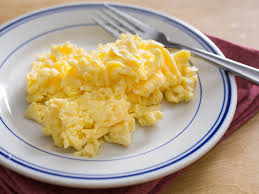
Starting your day with a nutritious and delicious meal sets the tone for everything that follows. Among the myriad breakfast options, cheesy scrambled eggs stand out as a timeless favorite. This simple yet versatile dish combines the creamy richness of eggs with the gooey melt of cheese, creating a fluffy texture that’s both comforting and satisfying. Whether you’re whipping up a quick weekday breakfast or indulging in a leisurely weekend brunch, learning how to make fluffy cheesy scrambled eggs can elevate your morning routine. In this comprehensive guide, we’ll explore the secrets to achieving that perfect fluffiness, share a step-by-step recipe, and offer tips to customize it to your taste. By incorporating semantic SEO practices, we’ll naturally weave in related concepts like easy breakfast ideas, protein-packed meals, and quick egg recipes to help you discover more ways to enjoy this classic.
Cheesy scrambled eggs aren’t just about taste; they’re a powerhouse of nutrition. Eggs provide high-quality protein, essential vitamins like B12 and D, and healthy fats that keep you energized. Adding cheese introduces calcium and a savory depth, making the dish more appealing even to picky eaters. If you’ve ever ended up with rubbery or flat eggs, fear not—this article will teach you techniques to ensure your cheesy scrambled eggs come out light, airy, and bursting with flavor every time.
Why Choose Cheesy Scrambled Eggs for Breakfast?
In a world of rushed mornings, cheesy scrambled eggs offer an ideal balance of simplicity and indulgence. This dish can be prepared in under 10 minutes, making it perfect for busy professionals, parents, or anyone seeking a hassle-free start to the day. The keyword “cheesy scrambled eggs” evokes images of golden, melty goodness that pairs beautifully with toast, bacon, or fresh veggies. From a semantic perspective, it’s linked to broader topics like healthy breakfast recipes, low-carb meals, and keto-friendly options, as eggs are naturally gluten-free and adaptable.
Historically, scrambled eggs have been a staple in cuisines worldwide, from French oeufs brouillés to American diner classics. Adding cheese transforms the basic scramble into something special—think cheddar for sharpness, mozzarella for stretchiness, or feta for a tangy twist. Not only does this enhance flavor, but it also improves texture by preventing overcooking. For those watching their diet, cheesy scrambled eggs can be part of a balanced meal, providing around 20-30 grams of protein per serving, which aids in muscle repair and satiety.
Ingredients for Fluffy Cheesy Scrambled Eggs
To make the best cheesy scrambled eggs, start with fresh, high-quality ingredients. Here’s what you’ll need for a serving of two:
- 4 large eggs (preferably organic or free-range for richer yolks)
- 1/2 cup shredded cheese (cheddar, Monterey Jack, or a blend for optimal melt)
- 2 tablespoons milk or cream (for extra fluffiness)
- 1 tablespoon butter or oil (for cooking)
- Salt and pepper to taste
- Optional add-ins: chopped chives, diced tomatoes, or spinach for added nutrition
These ingredients are readily available and inexpensive, making cheesy scrambled eggs an economical choice. The milk helps aerate the mixture, while the cheese adds that irresistible creaminess. For semantic SEO, consider variations like dairy-free cheesy scrambled eggs using plant-based alternatives, which appeal to vegan or lactose-intolerant audiences.
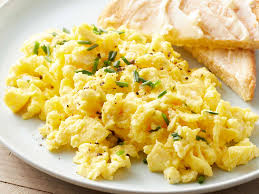
Step-by-Step Guide to Making Fluffy Cheesy Scrambled Eggs
Achieving fluffy cheesy scrambled eggs requires attention to technique rather than fancy equipment. Follow these steps for foolproof results:
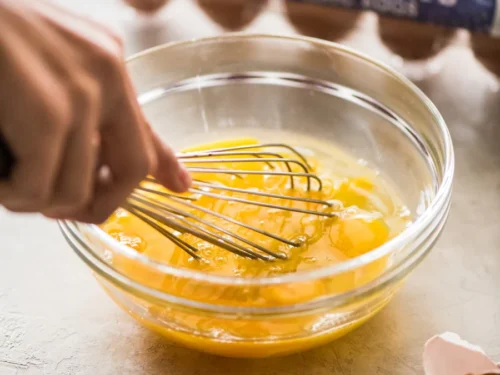
- Prepare the Egg Mixture: Crack the eggs into a medium bowl. Add the milk, a pinch of salt, and pepper. Using a whisk or fork, beat the mixture vigorously for about 30 seconds. This incorporates air, which is key to fluffiness. Avoid over-beating, as it can lead to tough eggs.
- Heat the Pan: Place a non-stick skillet over medium-low heat. Add the butter and let it melt, coating the pan evenly. Low heat is crucial for cheesy scrambled eggs to prevent browning and ensure even cooking.
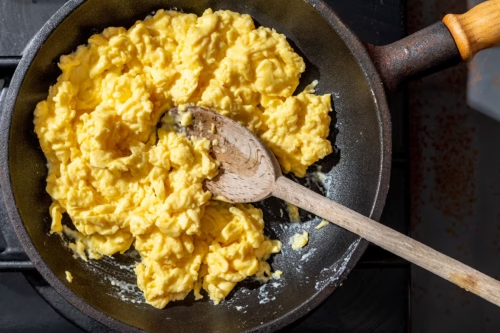
- Cook the Eggs: Pour the egg mixture into the pan. Let it sit for 10-15 seconds until the edges start to set. Using a spatula, gently push the eggs from the edges toward the center, allowing uncooked egg to flow underneath. Continue this folding motion for 1-2 minutes.
- Add the Cheese: When the eggs are about 70% cooked (still slightly runny), sprinkle in the shredded cheese. Fold it in gently to melt without overcooking the eggs. Remove from heat immediately—the residual warmth will finish the cooking.
- Serve Immediately: Plate your fluffy cheesy scrambled eggs right away to maintain their texture. Garnish with herbs if desired.
This method ensures your cheesy scrambled eggs are soft and pillowy, not dry or curdled. Semantically, this ties into cooking tips like “how to scramble eggs perfectly” or “best ways to add cheese to eggs.”
Tips for Perfect Fluffy Texture
The fluffiness in cheesy scrambled eggs comes from science: whisking introduces air bubbles, while low heat allows gentle coagulation of proteins. Here are expert tips:
- Use room-temperature eggs for better emulsion.
- Opt for full-fat dairy to enhance creaminess.
- Don’t stir constantly—let curds form for volume.
- Experiment with cheeses: Gruyère for nuttiness or cream cheese for ultra-smoothness.
Common mistakes include high heat, which toughens proteins, or adding cheese too early, causing separation. For semantic relevance, these tips align with queries like “why are my scrambled eggs not fluffy” or “secrets to restaurant-style eggs.”
Variations and Customizations
Cheesy scrambled eggs are incredibly adaptable. Try these twists:
- Veggie-Loaded: Add sautéed bell peppers, onions, or mushrooms for a hearty version.
- Spicy Kick: Incorporate jalapeños or hot sauce for heat.
- Herb-Infused: Fresh basil or dill elevates the flavor profile.
- Protein Boost: Mix in cooked bacon bits or sausage.
These variations make cheesy scrambled eggs suitable for different diets, such as vegetarian or gluten-free. Semantically, this expands to “healthy egg breakfast ideas” or “quick meal prep recipes.”
Nutritional Benefits of Cheesy Scrambled Eggs
A single serving of cheesy scrambled eggs (two eggs with cheese) offers approximately 300 calories, 20g protein, 25g fat, and minimal carbs. It’s rich in choline for brain health and lutein for eye support. Pairing with whole-grain toast adds fiber, creating a balanced meal. For those on weight management plans, this dish promotes fullness, reducing mid-morning snacking.
FAQs
What makes scrambled eggs fluffy?
Fluffiness comes from incorporating air during whisking and cooking on low heat to avoid denseness.
Can I make cheesy scrambled eggs without milk?
Yes, substitute with water or omit it entirely, though milk adds creaminess.
How do I prevent cheesy scrambled eggs from being watery?
Use fresh eggs and don’t overcook; remove from heat when slightly underdone.
What cheese is best for scrambled eggs?
Cheddar melts well, but experiment with softer varieties like American for gooeyness.
Are cheesy scrambled eggs healthy?
Absolutely, providing protein and nutrients; moderate portions fit most diets.
Can I reheat leftover cheesy scrambled eggs?
Reheat gently in the microwave with a splash of water to restore moisture.
Final Words
Mastering fluffy cheesy scrambled eggs is a skill that pays dividends in your daily life. This versatile dish not only satisfies cravings but also nourishes your body, making it a go-to for breakfast enthusiasts. Whether you’re a novice cook or a seasoned chef, the techniques shared here will help you create restaurant-quality results at home. Experiment, enjoy, and start your days with the simple joy of perfectly prepared cheesy scrambled eggs. Remember, the key is patience and fresh ingredients—happy cooking!