

Cheese and Onion Scones: Quick Savory Treats for Any Occasion
December 7, 2025
Cottage Cheese Protein Shake: Healthy and Filling Drink
December 9, 2025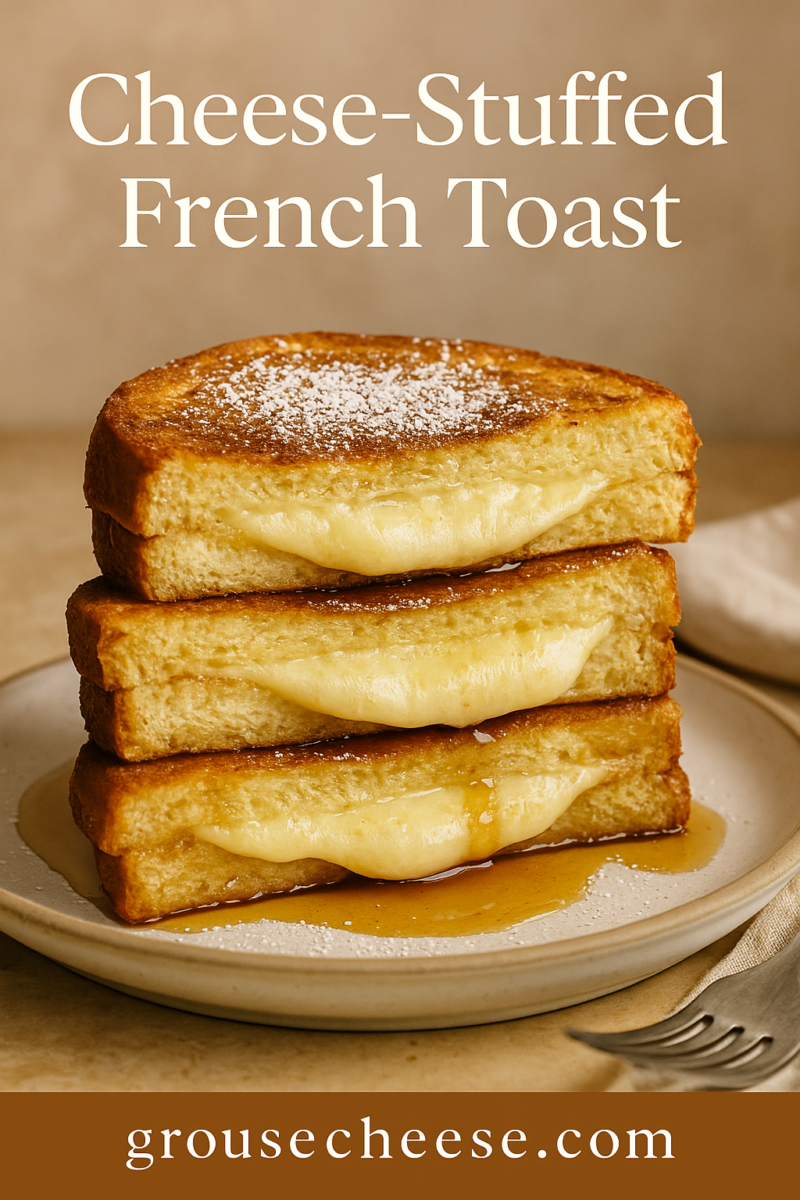
French toast is a breakfast classic for a reason. Its custardy center, golden-brown exterior, and ability to soak up maple syrup make it a universally loved dish. But what if you could take that beloved classic and introduce a surprising, delicious twist? Imagine cutting into a perfectly cooked slice and finding a warm, gooey layer of melted cheese. Welcome to the world of Cheese-Stuffed French Toast.
This dish masterfully walks the line between sweet and savory, creating a breakfast experience that is both familiar and excitingly new. The richness of the melted cheese cuts through the sweetness of the syrup and egg batter, resulting in a balanced, deeply satisfying meal. It’s the kind of breakfast that feels indulgent enough for a special weekend brunch but is simple enough to whip up whenever a craving strikes.
If you are ready to elevate your morning routine, you have come to the right place. This guide will walk you through everything you need to know to create the perfect Cheese-Stuffed French Toast, from choosing the right bread and cheese to mastering the cooking technique. Prepare to transform your breakfast game forever.
Why Cheese Belongs in Your French Toast
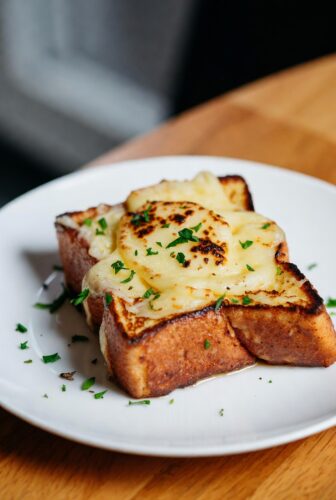
The idea of putting cheese in French toast might seem odd at first, but it is a culinary match made in heaven. Think about other beloved sweet and savory pairings: cheddar cheese with apple pie, prosciutto with melon, or salted caramel. The saltiness of the cheese enhances the sweetness of the other components, creating a more complex and interesting flavor profile.
In Cheese-Stuffed French Toast, the cheese does several things:
- Adds a Creamy Texture: The melted cheese creates a luscious, gooey center that contrasts beautifully with the soft, custardy bread.
- Balances Sweetness: If you sometimes find traditional French toast a bit too sweet, the savory, salty nature of the cheese provides the perfect counterpoint.
- Introduces Richness: The fat in the cheese adds a layer of richness that makes the dish feel more substantial and luxurious.
It’s a simple addition that completely transforms the final product, turning a standard breakfast into a memorable culinary event.
Key Ingredients for the Perfect Dish
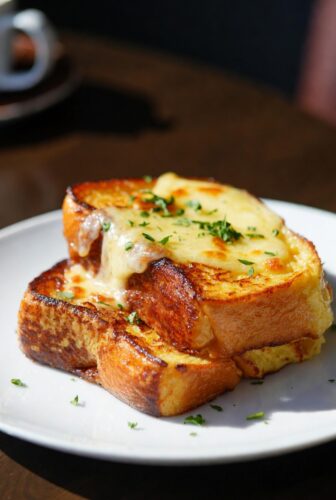
The success of this recipe hinges on using the right ingredients. While the list is short, the quality of each component makes a big difference.
- Bread: The star of the show. You need a sturdy, thick-sliced bread that can hold up to the egg batter and contain the cheese filling. Brioche is a fantastic choice for its rich, buttery flavor. Challah, Texas toast, or a thick-sliced country white bread also work beautifully. Avoid standard thin sandwich bread, as it will likely become soggy and fall apart.
- Cheese: This is where you can get creative. The best cheeses are good melters.
-
- Cream Cheese: The classic choice. Its mild tang and ultra-creamy texture make it a perfect partner. You can use plain cream cheese or a sweetened version.
- Brie or Camembert: For a more sophisticated, decadent version, the earthy, buttery flavor of Brie is unbeatable.
- Mascarpone or Ricotta: These Italian cheeses offer a lighter, subtly sweet filling. Mixing ricotta with a little lemon zest is a wonderful variation.
- Mild Cheddar or Monterey Jack: If you want a more pronounced “cheesy” pull and a saltier flavor, these are excellent options.
- Eggs: The foundation of the custard batter. Use large, fresh eggs for the best flavor and richness.
- Milk or Cream: Whole milk is a standard choice, but for an extra-rich custard, heavy cream or half-and-half is a game-changer.
- Flavorings: Vanilla extract and cinnamon are classic additions to the egg batter that complement both the sweet and savory elements. A pinch of nutmeg also works well.
- Sweetener (Optional): A tablespoon of maple syrup, granulated sugar, or brown sugar in the batter can enhance the sweetness.
- Butter: For cooking. Using butter in the pan helps to create a golden, crispy exterior and adds flavor.
Step-by-Step Guide to Making Cheese-Stuffed French Toast
This process is straightforward, but a few key techniques will ensure your French toast is perfectly stuffed and cooked.
1. Prepare the Bread and Filling
If your bread isn’t pre-sliced, cut it into thick slices, about 1 to 1.5 inches each. Then, carefully create a pocket in each slice. Insert a sharp paring knife into the top crust and cut a slit downwards, stopping about half an inch from the bottom and sides. Gently work the knife back and forth to create a space inside the bread.
In a small bowl, prepare your cheese filling. If using cream cheese, make sure it is softened to room temperature so it’s easy to spread and stuff. You can sweeten it with a little powdered sugar or maple syrup if you like.
2. Stuff the Bread
Carefully spoon or pipe your chosen cheese filling into the pocket of each bread slice. Be generous, but don’t overstuff, as the cheese will expand as it melts and could ooze out prematurely. Aim for about 1-2 tablespoons of filling per slice.
3. Make the Custard Batter
In a shallow dish that’s wide enough to fit a slice of bread (a pie plate works well), whisk together the eggs, milk or cream, vanilla extract, cinnamon, and any sweetener you’re using. Whisk until the mixture is smooth and completely combined.
4. Soak the Stuffed Slices
Take one slice of your Cheese-Stuffed French Toast and place it in the egg batter. Let it soak for about 20-30 seconds per side. You want the bread to absorb the custard but not become completely saturated to the point of falling apart. The thicker and drier your bread, the longer it can soak.
5. Cook to Golden Perfection
Melt a tablespoon of butter in a large skillet or on a griddle over medium-low heat. Once the butter is sizzling, carefully place the soaked bread slices in the pan. Don’t overcrowd it; cook in batches if necessary.
Cook for 3-5 minutes per side. The key is to cook it slowly enough that the heat penetrates the center and melts the cheese without burning the outside. The exterior should be a deep, even golden brown.
6. Serve Immediately
Transfer the finished Cheese-Stuffed French Toast to a plate. Serve warm with your favorite toppings. Classic maple syrup is a must, but fresh berries, a dusting of powdered sugar, or a dollop of whipped cream are also fantastic additions.
Tips for Flawless Results
- Use Day-Old Bread: Slightly stale bread is drier and can absorb more of the custard without becoming soggy.
- Don’t Press Down: Avoid the temptation to press on the French toast with your spatula while it’s cooking. This squeezes out the custard and can lead to a denser, less fluffy result.
- Keep It Warm: If you are cooking in batches, you can keep the finished slices warm in an oven set to 200°F (95°C) on a wire rack until you are ready to serve.
- Control Your Heat: The most common mistake is cooking French toast on heat that is too high. This will burn the outside before the inside is cooked and the cheese is melted. Medium-low is your friend.
Delicious Variations to Try
Once you’ve mastered the basic recipe, the possibilities are endless.
- Fruity and Cheesy: Add a few fresh raspberries or thin slices of peach inside the pocket along with cream cheese or Brie.
- The Savory Switch: For a fully savory version, omit the sugar, vanilla, and cinnamon from the batter. Instead, add a pinch of salt, black pepper, and maybe some chopped herbs like chives or parsley. Stuff with Gruyère or sharp cheddar and serve with a side of bacon.
- Chocolate Hazelnut: Swap the cheese for a generous smear of Nutella for an ultra-decadent dessert-for-breakfast version.
- Lemon Ricotta: Mix ricotta cheese with lemon zest and a touch of powdered sugar for a bright, fresh, and light filling.
Frequently Asked Questions (FAQ)
Q: My cheese filling is oozing out while cooking. What did I do wrong?
A: This usually happens for one of two reasons: you either overstuffed the bread, or your heat was too high, causing the cheese to melt and expand too quickly. Try using a little less filling next time and cook on a slightly lower heat.
Q: Can I prepare this ahead of time?
A: You can stuff the bread slices ahead of time and store them in an airtight container in the refrigerator for up to 24 hours. When you’re ready to cook, just prepare the batter and proceed with the recipe. This is a great time-saver for a special brunch.
Q: Can I make this gluten-free?
A: Absolutely. Simply use your favorite thick-sliced gluten-free bread. Gluten-free breads tend to be a bit denser, so they hold up well to stuffing and soaking.
Q: What is the best way to reheat leftovers?
A: Leftover Cheese-Stuffed French Toast is best reheated in a toaster oven or on a skillet over low heat. This will help re-crisp the exterior. Avoid the microwave, as it will make the bread soggy and rubbery.
Q: Can I make this in an air fryer?
A: Yes, an air fryer can work well. Preheat it to 350°F (175°C). Place the soaked and stuffed slices in the basket in a single layer and cook for about 8-10 minutes, flipping halfway through, until golden brown and cooked through.
Final Words
Breakfast should be more than just fuel; it should be an experience. Cheese-Stuffed French Toast offers just that—a moment of delicious surprise that turns a simple meal into something special. The combination of textures and flavors, from the crisp exterior to the custardy interior and the gooey, cheesy center, is a true delight for the senses.
This recipe proves that a little creativity in the kitchen can lead to spectacular results. It’s a dish that’s perfect for lazy Sunday mornings, celebratory brunches, or any time you want to treat yourself to something truly wonderful. So go ahead, grab a loaf of your favorite bread, pick out a delicious cheese, and get ready to fall in love with your new favorite breakfast.