
Mozzarella Grilled Veggies: Healthy and Cheesy Side Dish
December 14, 2025
Almond Cheese Dip: Simple and Delicious Vegan Appetizer
December 17, 2025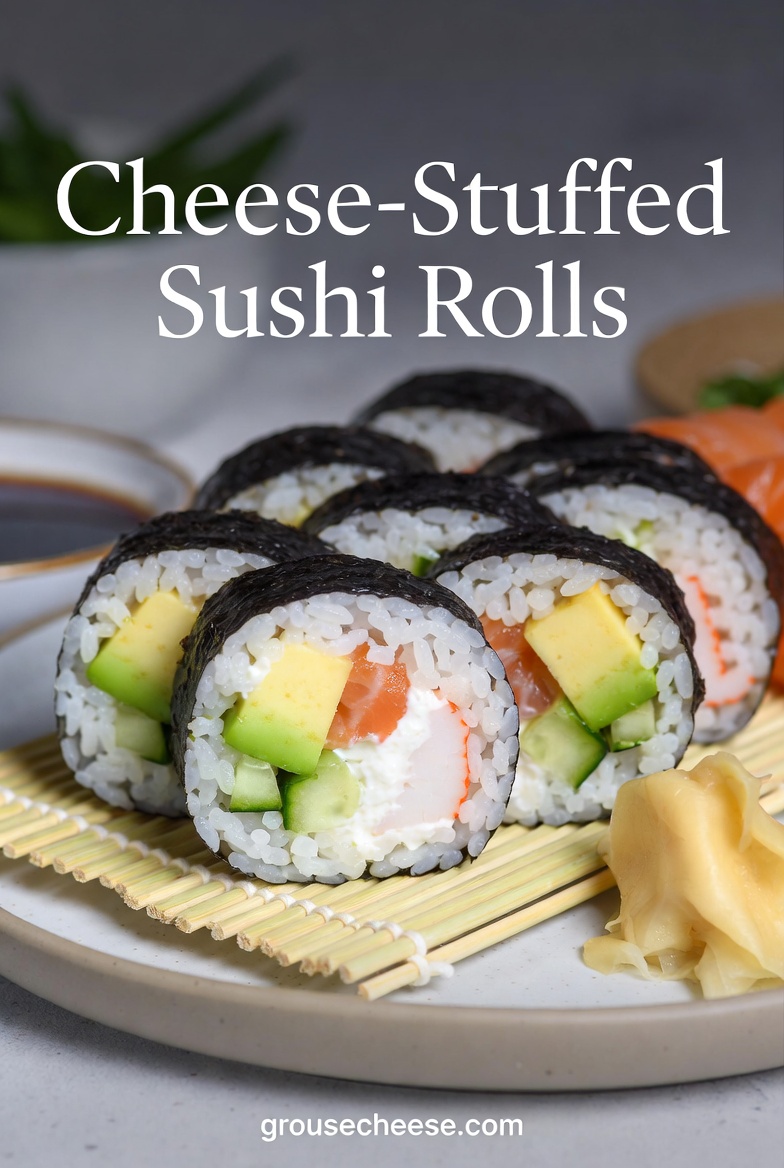
Sushi is often seen as the pinnacle of culinary artistry—a delicate balance of perfectly seasoned rice, fresh fish, and crisp vegetables. Traditionalists might argue that adding anything as bold as cheese is a departure from authenticity. Yet, some of the most exciting food trends are born from breaking the rules. Enter cheese-stuffed sushi rolls, a fusion creation that combines the creamy, savory satisfaction of cheese with the fresh, clean flavors of Japanese-inspired maki.
This might sound unusual, but the combination is surprisingly harmonious. The right cheese can add a layer of richness that complements fillings like avocado, cucumber, and even certain types of seafood. It introduces a new texture that elevates a standard roll into something more decadent and memorable. This is a modern twist that makes sushi night at home even more fun and accessible, especially for those who might be hesitant about raw fish.
This guide will walk you through everything you need to know to master the art of making cheese-stuffed sushi rolls. We will explore which cheeses work best, provide a detailed step-by-step rolling process, and offer creative flavor combinations that will have you rethinking what belongs inside a nori sheet.
The Appeal of Cheese in Sushi

Why would anyone put cheese in sushi? The idea isn’t as strange as it first sounds. Western-style sushi has been incorporating cream cheese for decades, most famously in the Philadelphia roll. This combination of smoked salmon, cucumber, and cream cheese has become a staple on sushi menus worldwide, proving that dairy and sushi can be a delicious match.
Cheese-stuffed sushi rolls take this concept a step further. The creaminess of cheese provides a perfect counterpoint to the salty nori, the slightly sweet and vinegared rice, and the fresh crunch of vegetables. It adds a satisfying richness that can make a roll feel more substantial and comforting. For picky eaters or those new to sushi, the familiar taste of cheese can make the experience more approachable and enjoyable.
Moreover, cheese opens up a world of vegetarian and vegan sushi possibilities. A roll filled with seasoned cheese, avocado, and bell peppers can be just as complex and satisfying as one filled with premium tuna. It’s an ingredient that invites creativity and personalization.
Essential Ingredients and Tools
Before you start rolling, gathering the right components is key. Making sushi is a process, and having everything prepared—a concept known in professional kitchens as mise en place—makes it much smoother.
The Right Tools
- Bamboo Sushi Mat (Makisu): This is essential for getting a tight, uniform roll.
- Sharp Knife: A long, sharp knife is crucial for cutting clean slices without squishing the roll.
- Rice Paddle (Shamoji): A wooden or plastic paddle is ideal for fluffing and mixing the rice without crushing the grains.
- Small Bowl of Water: To prevent the rice from sticking to your hands.
Core Ingredients
- Sushi Rice: Use Japanese short-grain rice. Its high starch content makes it sticky enough to hold the roll together.
- Rice Vinegar: For seasoning the rice. A pre-made sushi vinegar blend (which includes sugar and salt) is a convenient option.
- Nori (Seaweed Sheets): These are the wrappers for your rolls.
- The Cheese: This is where you can get creative. Cream cheese is the classic choice, but other varieties work well too. More on this below.
- Fillings: Avocado, cucumber, carrots, bell peppers, cooked shrimp, crab sticks (kanikama), or smoked salmon are all great options.
Choosing the Best Cheese for Your Rolls
The cheese you select will define the character of your cheese-stuffed sushi rolls. You want something that offers creaminess without overpowering the other ingredients.
- Cream Cheese: The go-to choice. Its mild, tangy flavor and ultra-creamy texture make it the perfect partner for both vegetables and fish. Use the full-fat, block-style cream cheese for the best consistency.
- Goat Cheese (Chèvre): For a more sophisticated flavor, soft goat cheese offers a tangy, earthy note that pairs beautifully with roasted red peppers, asparagus, and avocado.
- Mascarpone: This Italian cream cheese is even richer and more decadent than standard cream cheese. Its subtle sweetness works well in dessert-style sushi or with sweet-savory fillings like teriyaki eel (unagi).
- Vegan Cream Cheese: There are many excellent almond or cashew-based cream cheeses available that provide the same creamy texture, making it easy to create delicious vegan cheese-stuffed sushi rolls.
How to Make Cheese-Stuffed Sushi Rolls: A Step-by-Step Guide
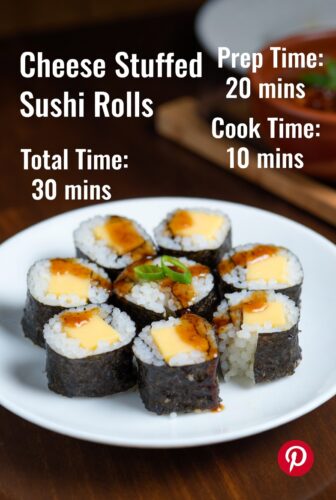
Making your own sushi is incredibly rewarding. Follow these steps for perfect rolls every time.
Step 1: Perfect the Sushi Rice
This is the foundation of your sushi. Rinse one cup of short-grain rice until the water runs clear. Cook it according to the package directions. Once cooked, transfer the hot rice to a large, non-metallic bowl. Gently fold in 3-4 tablespoons of seasoned sushi vinegar with your rice paddle. Let the rice cool to room temperature. Do not refrigerate it, as this will make the grains hard.
Step 2: Prepare Your Fillings
Slice your cheese and other fillings into long, thin strips. For cream cheese, it’s easiest to work with when it’s cold and firm. Cut it into sticks about a quarter-inch thick. Julienne your cucumbers and carrots, and slice your avocado.
Step 3: Set Up Your Rolling Station
Place your bamboo mat on a clean, flat surface. Many people like to wrap it in plastic wrap for easy cleanup. Place a sheet of nori on the mat with the shiny side down. Have your bowl of water and your prepared fillings within reach.
Step 4: Assemble the Roll
Dip your fingers in the water to prevent sticking. Grab a handful of cooled sushi rice (about ¾ cup) and spread it evenly over the nori, leaving about a one-inch border at the top edge. Be gentle—do not press the rice down too hard.
Arrange your fillings in a horizontal line about an inch from the bottom edge of the rice. Place your cheese stick first, then layer on your other ingredients like avocado and cucumber next to it. Don’t overfill the roll, as this will make it difficult to close.
Step 5: Roll and Seal
Using your thumbs to lift the edge of the mat closest to you, begin to roll the nori and rice over the fillings. Use your fingers to tuck the fillings in as you go. Roll it tightly until you reach the bare nori strip at the end. Dab a little water on the edge to help it seal. Give the entire roll a gentle squeeze with the mat to firm it up.
Step 6: Slice and Serve
Transfer the roll to a cutting board. Moisten your sharp knife with water and slice the roll into 6 or 8 equal pieces. Wipe the knife clean between cuts to ensure each piece is neat.
Creative Variations and Flavor Combinations
Once you have mastered the basic technique, you can start experimenting. Here are some ideas for unique cheese-stuffed sushi rolls:
- Spicy Tuna and Cream Cheese: Mix canned tuna with sriracha and Japanese mayo. Roll it with cream cheese and cucumber for a spicy, creamy kick.
- Roasted Veggie and Goat Cheese: Fill your roll with roasted bell peppers, asparagus, and creamy goat cheese. Drizzle with balsamic glaze before serving.
- Smoked Salmon and Dill Cream Cheese: Mix finely chopped fresh dill into your cream cheese. Roll it with smoked salmon and thin slices of red onion for a bagel-inspired roll.
- Tempura Shrimp and Mascarpone: Pair crispy tempura-fried shrimp with rich mascarpone and avocado. The contrast between the crunchy shrimp and the velvety cheese is fantastic.
- Vegan Delight: Use a vegan cream cheese and fill the roll with baked sweet potato, avocado, and toasted sesame seeds.
Serving and Storing Your Sushi
Presentation is a big part of the sushi experience. Arrange your cheese-stuffed sushi rolls neatly on a platter. Serve them with small dishes of soy sauce, wasabi, and pickled ginger.
Sushi is always best enjoyed fresh, ideally within a few hours of making it. The rice texture changes in the refrigerator, and the nori can become soggy. If you do have leftovers, wrap them tightly in plastic wrap and store them in the fridge for up to 24 hours. Note that rolls with fresh avocado may brown overnight. It’s best to plan on making only what you can eat in one meal.
Frequently Asked Questions (FAQs)
Q: Can I make cheese-stuffed sushi rolls without a bamboo mat?
A: You can, but it’s more challenging. You can use a clean dish towel layered with plastic wrap as a substitute. The mat helps apply even pressure for a tight roll, so the results may be a bit looser without one.
Q: Can I use regular long-grain rice instead of sushi rice?
A: It’s not recommended. Long-grain rice doesn’t have the same sticky, starchy quality as short-grain sushi rice. Your rolls will likely fall apart.
Q: Is it safe to use other types of cheese, like cheddar or Swiss?
A: While you can experiment, harder cheeses like cheddar don’t offer the same creamy texture and can be overpowering. Their flavor profiles don’t meld as seamlessly with traditional sushi ingredients. It’s best to stick with soft, creamy cheeses.
Q: My roll is falling apart when I slice it. What did I do wrong?
A: This usually happens for a few reasons: the roll isn’t tight enough, it was overfilled, or your knife isn’t sharp enough. Make sure you are using a very sharp, slightly wet knife and a gentle sawing motion rather than pressing down.
Q: Can I prepare the components in advance?
A: Yes. You can cook the rice and prepare the fillings a day ahead. Store the cooled rice in a covered bowl at room temperature and keep your sliced fillings in an airtight container in the refrigerator. Assemble the rolls just before you plan to serve them.
Final Words
Making cheese-stuffed sushi rolls at home is a fun and delicious way to get creative in the kitchen. It demystifies the sushi-making process and allows for endless customization. This fusion food proves that culinary traditions can evolve in exciting ways, and that a little creaminess can make a great dish even better.
Don’t be intimidated by the process. With a bit of practice, you’ll be rolling beautiful, tasty sushi that will impress your family and friends. So, gather your ingredients, put on your favorite music, and get ready to create a meal that is both unique and deeply satisfying.