

Easy Cheese Garlic Pull-Apart Bread Recipe for Cheese Lovers
December 20, 2025
Cottage Cheese Smoothie Bowl: Healthy and Protein-Packed Breakfast
December 21, 2025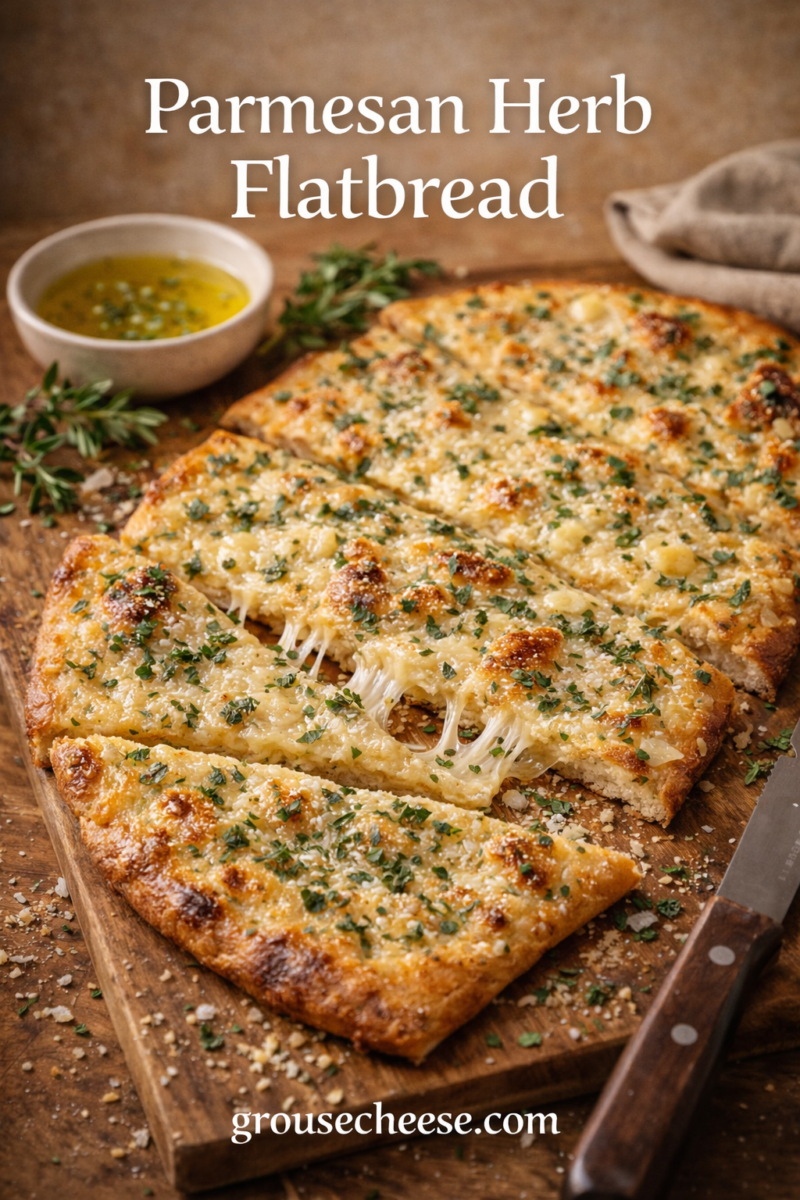
There is something deeply satisfying about making bread from scratch. The process of transforming simple ingredients like flour and water into a warm, aromatic loaf connects us to a culinary tradition that is thousands of years old. While intricate sourdoughs and airy ciabattas have their place, sometimes you need a recipe that is quick, straightforward, and delivers spectacular results without the fuss. This Parmesan herb flatbread is exactly that.
This isn’t your average store-bought bread. It’s a versatile, chewy, and incredibly savory flatbread packed with the nutty flavor of Parmesan cheese and the fresh aroma of herbs. Perfect for tearing and sharing, it can serve as the foundation for a quick pizza, a vessel for your favorite dips, or a wonderful companion to soups and salads. This easy flatbread recipe requires no special equipment and uses a simple, no-yeast dough that comes together in minutes.
Whether you’re a seasoned home baker or just starting your journey in the kitchen, this guide will provide you with all the steps to create a perfect Parmesan herb flatbread. Let’s gather our ingredients and get ready to bake.
Why You’ll Love This Flatbread Recipe
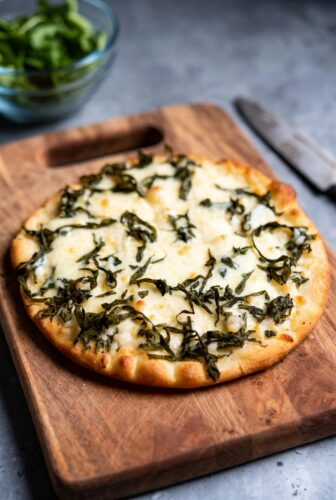
Before we get our hands dusty with flour, let’s explore what makes this particular herb-infused bread so special.
- Incredibly Fast: With no yeast, there is no waiting for the dough to rise. From mixing to serving, you can have fresh, warm flatbread on the table in under 30 minutes.
- Minimal Ingredients: This recipe uses pantry staples you likely already have on hand. It’s an excellent way to use up leftover herbs and cheese.
- Endlessly Customizable: The basic dough is a blank slate. You can swap out the herbs and cheese to create countless flavor combinations.
- Versatile Use: This flatbread is a true kitchen utility player. Use it for sandwiches, as a pizza base, or simply enjoy it warm with a drizzle of olive oil.
The Key Ingredients for Your Flatbread
The beauty of this recipe lies in its simplicity. High-quality ingredients will make a noticeable difference in the final product.
For the Dough
- All-Purpose Flour: This provides the structure and soft, chewy texture.
- Greek Yogurt: This is the secret ingredient. The acidity in the yogurt reacts with the baking powder, creating a tender crumb and a subtle tang without the need for yeast. Full-fat plain Greek yogurt works best.
- Baking Powder: This is our leavening agent, giving the flatbread a slight puffiness.
- Salt: Essential for bringing out all the other flavors.
For the Topping
- Parmesan Cheese: Use freshly grated Parmesan for the best flavor and melting quality. The pre-shredded kind often contains anti-caking agents that prevent it from melting smoothly.
- Fresh Herbs: A combination of parsley, rosemary, and thyme is classic. However, feel free to use whatever you have available. Chives, oregano, or dill would also be delicious.
- Garlic: A clove of fresh garlic, finely minced, adds a savory punch that complements the cheese and herbs.
- Olive Oil: A good quality extra-virgin olive oil helps the top get crispy and golden.
Step-by-Step Recipe Instructions
Ready to create your own Parmesan herb flatbread? Follow these simple instructions for a foolproof result every time.
Step 1: Prepare the Dough
In a large mixing bowl, whisk together 2 cups of all-purpose flour, 1 tablespoon of baking powder, and 1 teaspoon of salt. This ensures the leavening agent is evenly distributed.
Create a well in the center of the dry ingredients and add 1 cup of full-fat plain Greek yogurt. Using a spatula or wooden spoon, begin to mix the yogurt into the flour until a shaggy dough starts to form.
Step 2: Knead the Dough
Turn the dough out onto a lightly floured surface. Knead for 2-3 minutes until the dough becomes smooth and cohesive. It should be soft and slightly tacky, but not sticky. If it feels too wet, add a tablespoon of flour at a time. If it feels too dry, you can add a teaspoon of water or yogurt. There is no need for extensive kneading; you just want to bring it all together.
Step 3: Divide and Roll
Divide the dough into 6 or 8 equal pieces, depending on how large you want your flatbreads. Roll each piece into a ball.
Working with one ball at a time on a floured surface, use a rolling pin to roll the dough into a thin circle or oval, about 1/8-inch thick. Don’t worry about making them perfectly round; rustic shapes add to their charm.
Step 4: Prepare the Topping
In a small bowl, combine 1/2 cup of freshly grated Parmesan cheese, 2 tablespoons of mixed chopped fresh herbs (like parsley, rosemary, and thyme), and 1 finely minced garlic clove.
Step 5: Cook the Flatbread
Heat a large, non-stick skillet or cast-iron pan over medium-high heat. You don’t need to add oil to the pan for the initial cooking.
Place one of the rolled-out dough circles into the hot, dry pan. Cook for 1-2 minutes until bubbles start to form on the surface and the underside has golden brown spots.
Flip the flatbread. Immediately brush the cooked side with olive oil and sprinkle generously with the Parmesan and herb mixture.
Cook for another 1-2 minutes until the second side is golden brown and the cheese on top has started to melt.
Step 6: Serve Warm
Remove the finished flatbread from the pan and place it on a wire rack or serving plate. Repeat the process with the remaining dough. It’s best to serve this Parmesan bread recipe warm, straight from the pan.
Customization and Flavor Variations
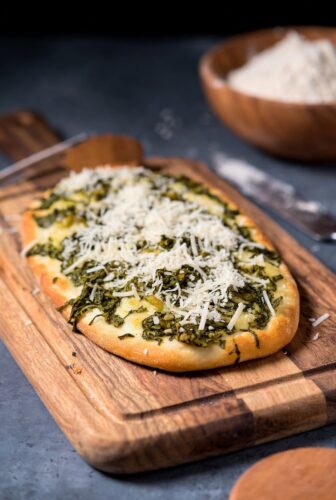
This basic recipe is just the beginning. Think of it as a template for your own culinary creations.
Spice It Up
Add a pinch of red pepper flakes to the herb topping for a little heat. You could also incorporate some finely chopped sun-dried tomatoes or olives into the dough itself for a Mediterranean twist.
Different Cheeses
While this is a Parmesan herb flatbread, other hard, aged cheeses work wonderfully. Try using Pecorino Romano for a saltier bite or an aged Asiago for a nuttier flavor. A sprinkle of crumbled feta on top after cooking is also delicious.
Gluten-Free Version
For a gluten-free option, you can substitute the all-purpose flour with a 1-to-1 gluten-free baking blend that contains xanthan gum. The texture will be slightly different, but still delicious.
Vegan Alternative
To make this recipe vegan, use a plant-based Greek-style yogurt (like one made from coconut or almond milk) and a vegan Parmesan cheese alternative. Ensure your yogurt is unsweetened and plain.
Serving Suggestions
A fresh batch of herb-infused bread is a welcome addition to almost any meal. Here are a few ideas on how to serve it.
- As an Appetizer: Cut the flatbread into wedges and serve with a variety of dips like hummus, baba ghanoush, or a creamy spinach and artichoke dip.
- With Soup or Salad: This bread is the perfect tool for sopping up the last bits of a hearty lentil soup or a creamy tomato bisque. It also pairs beautifully with a crisp Greek salad.
- As a Quick Pizza Base: Spread a thin layer of tomato sauce, add some mozzarella, and your favorite toppings for a personal pizza that’s ready in minutes.
- For Sandwiches and Wraps: The flatbread is sturdy enough to be folded or rolled. Fill it with grilled chicken, fresh vegetables, and your favorite sauce for a fantastic lunch.
- Alongside a Main Course: Serve it with grilled meats, roasted vegetables, or a flavorful curry.
Storage and Reheating Tips
While these flatbreads are best enjoyed fresh, you can store leftovers for later.
Storage: Let the flatbreads cool completely. Store them in an airtight container or zip-top bag at room temperature for up to 2 days. Stacking them with a piece of parchment paper between each one will prevent sticking.
Reheating: The best way to bring them back to life is to warm them in a dry skillet over medium heat for about 30 seconds per side. You can also spritz them with a little water and heat them in a toaster oven for a minute or two. Avoid the microwave, as it can make them tough and chewy.
Frequently Asked Questions (FAQ)
Here are some common questions that arise when making this easy flatbread recipe.
Q: Can I use dried herbs instead of fresh?
A: Yes, you can. The general rule is to use one-third the amount of dried herbs as you would fresh. For example, if the recipe calls for 1 tablespoon of fresh parsley, use 1 teaspoon of dried. The flavor will be more concentrated.
Q: My dough is very sticky. What did I do wrong?
A: This is a common issue and easy to fix. It usually means your yogurt had a higher water content or your flour measurement was slightly off. Simply add a bit more flour, one tablespoon at a time, while kneading until the dough is manageable.
Q: Can I make the dough ahead of time?
A: Yes. You can prepare the dough, wrap it tightly in plastic wrap, and refrigerate it for up to 24 hours. Let it sit at room temperature for about 20-30 minutes before you roll it out, as cold dough can be stiff.
Q: Why isn’t my flatbread puffing up?
A: There could be a few reasons. First, check the expiration date on your baking powder; old baking powder loses its potency. Second, make sure your pan is hot enough before you add the dough. A hot surface helps activate the baking powder quickly.
Q: Can I bake these in the oven instead of a skillet?
A: You can. For a crispier, more cracker-like texture, you can bake them. Preheat your oven and a baking stone or sheet pan to 450°F (232°C). Brush the flatbreads with oil, add the topping, and bake directly on the hot surface for 4-6 minutes, or until golden and crisp.
Final Words
The magic of this Parmesan herb flatbread is its ability to deliver an artisanal bread experience with minimal effort. It proves that you don’t need yeast, long proofing times, or complex techniques to create something truly delicious in your own kitchen. It’s a recipe that encourages creativity and adapts to what you have on hand.
The next time you crave warm, savory bread, resist the urge to go to the store. With just a few simple ingredients and less than half an hour, you can fill your home with the incredible aroma of freshly baked bread. So, roll up your sleeves, get out your flour, and enjoy the simple pleasure of making and sharing this delightful flatbread.