Cheesy Shrimp Fried Rice: Savory and Flavorful Seafood Dish
February 12, 2026
Caprese Salad Skewers with Mozzarella: Fresh & Cheesy Bites
February 15, 2026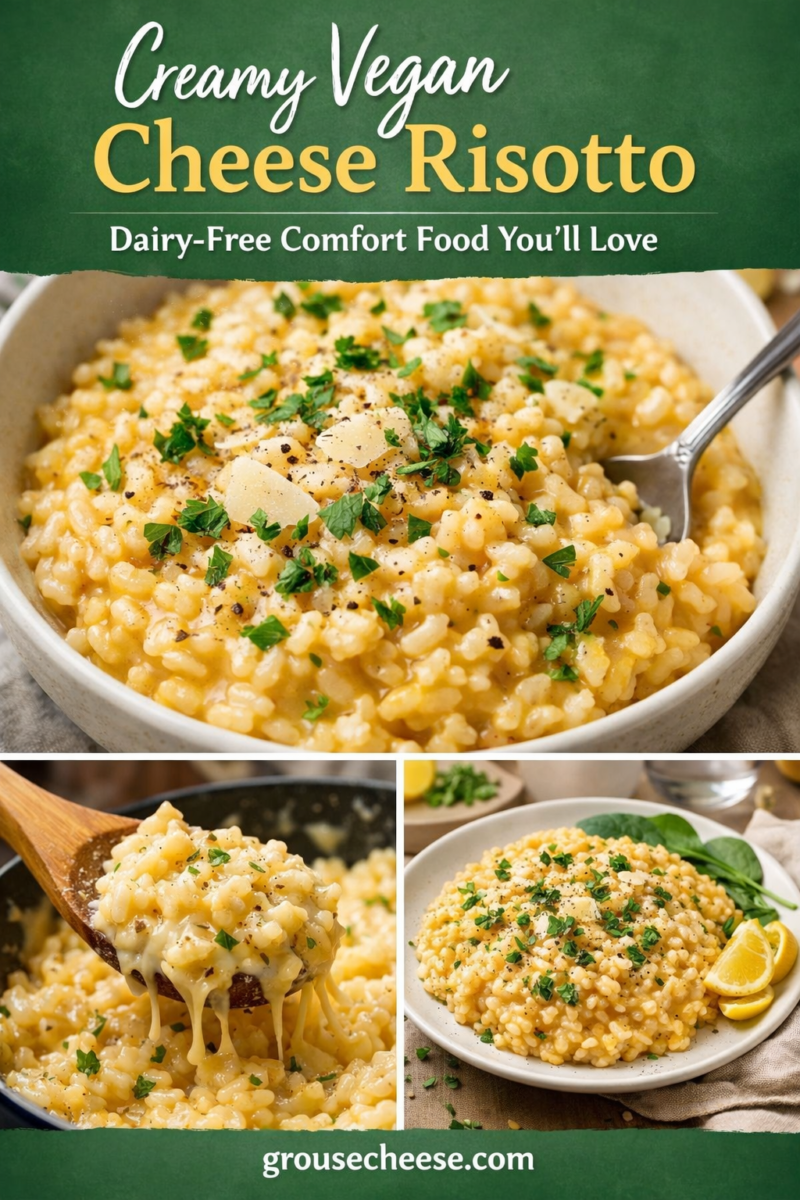
In the world of plant-based cuisine, few dishes capture the essence of comfort food quite like vegan cheese risotto. This indulgent Italian-inspired meal transforms the classic risotto into a dairy-free delight, offering a creamy texture and rich, cheesy flavor without any animal products. Whether you’re a seasoned vegan, exploring meatless options, or simply seeking healthier alternatives to traditional recipes, vegan cheese risotto stands out as a versatile and satisfying choice. It’s perfect for cozy family dinners, impressive date nights, or even as a side dish at gatherings.
The beauty of vegan cheese risotto lies in its ability to mimic the luxurious mouthfeel of its dairy-laden counterpart. By using ingredients like nutritional yeast, cashew cream, or store-bought vegan cheese, you can achieve that signature creaminess that makes risotto so irresistible. Arborio rice, the star of the show, absorbs vegetable broth gradually, releasing starches that create a velvety consistency. Add in aromatic onions, garlic, and perhaps some fresh herbs or vegetables, and you’ve got a dish that’s not only flavorful but also nourishing.
As more people embrace vegan lifestyles for health, environmental, or ethical reasons, recipes like vegan cheese risotto are gaining popularity. According to recent trends, searches for plant-based Italian dishes have surged, reflecting a growing interest in sustainable eating. This article will guide you through everything you need to know about making the perfect vegan cheese risotto, from ingredients and step-by-step instructions to tips, variations, and frequently asked questions. Get ready to elevate your cooking game with this creamy, flavorful, and entirely plant-based wonder.
What is Vegan Cheese Risotto?
Vegan cheese risotto is a plant-based adaptation of the traditional Italian risotto alla parmigiana, where rice is slowly cooked in broth until creamy, then finished with cheese for added richness. In the vegan version, dairy cheese is replaced with vegan alternatives, ensuring the dish remains cruelty-free while retaining its decadent appeal. The key to authentic vegan cheese risotto is selecting the right rice—typically Arborio or Carnaroli—which has a high starch content that contributes to the creamy texture without needing cream or butter.
Historically, risotto originated in Northern Italy, where rice cultivation thrived in the Po Valley. The classic method involves toasting the rice, then adding broth ladle by ladle, stirring constantly to release amylopectin, the starch that thickens the dish. For vegan cheese risotto, this technique stays the same, but the flavor profile shifts to incorporate plant-based elements. Nutritional yeast, often called “nooch,” provides a cheesy, umami taste, while coconut milk or almond milk can enhance creaminess.
What sets vegan cheese risotto apart is its adaptability. You can infuse it with seasonal vegetables like mushrooms, asparagus, or peas, making it a canvas for creativity. It’s not just a substitute; it’s an evolution that caters to modern dietary needs, including gluten-free and nut-free options if adjusted accordingly. If you’re new to vegan cooking, starting with vegan cheese risotto is an excellent way to experience how plant-based ingredients can deliver gourmet results.
Benefits of Vegan Cheese Risotto
Embracing vegan cheese risotto offers numerous advantages beyond its delicious taste. From a health perspective, this dish is typically lower in saturated fats compared to traditional versions loaded with butter and Parmesan. Ingredients like arborio rice provide complex carbohydrates for sustained energy, while additions such as vegetables boost fiber, vitamins, and minerals. For instance, incorporating spinach or broccoli into your vegan cheese risotto can add iron and antioxidants, supporting overall wellness.
Environmentally, opting for vegan cheese risotto aligns with sustainable practices. Animal agriculture contributes significantly to greenhouse gas emissions, so choosing plant-based alternatives reduces your carbon footprint. Rice, the base of risotto, is a staple crop that’s relatively water-efficient when sourced responsibly. Moreover, vegan cheese options made from nuts or oats often have a lower environmental impact than dairy production.
On the ethical front, vegan cheese risotto promotes compassion by avoiding animal-derived products. It’s inclusive for those with lactose intolerance or dairy allergies, making it a crowd-pleaser at diverse tables. Nutritionally balanced, it can be a complete meal when paired with proteins like tofu or lentils. Studies show that plant-based diets can lower risks of heart disease and improve digestion, and vegan cheese risotto fits seamlessly into such lifestyles. Plus, it’s budget-friendly—homemade vegan cheese from cashews costs a fraction of specialty store buys.
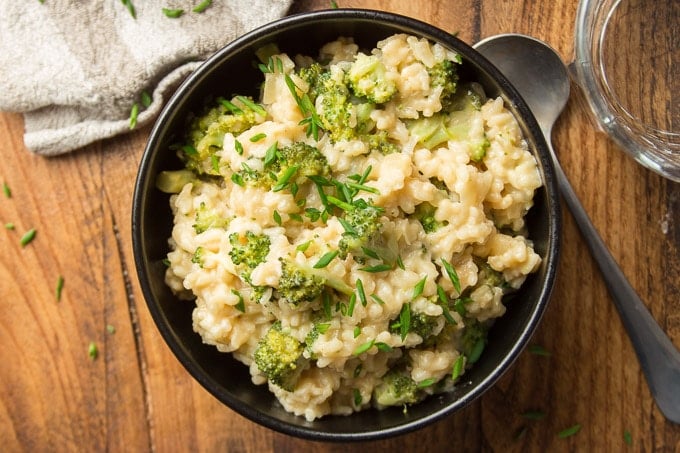
Ingredients for Vegan Cheese Risotto
To create a stellar vegan cheese risotto, gather these essential ingredients. This recipe serves 4 and focuses on simple, accessible items:
- 1 ½ cups Arborio rice
- 4 cups vegetable broth (low-sodium preferred)
- 1 cup vegan white wine (optional, for depth)
- 1 medium onion, finely chopped
- 3 cloves garlic, minced
- ½ cup nutritional yeast
- 1 cup cashew cream (blend ¾ cup soaked cashews with ½ cup water)
- 2 tablespoons olive oil or vegan butter
- Salt and pepper to taste
- Fresh herbs like parsley or basil for garnish
- Optional add-ins: 1 cup sliced mushrooms, ½ cup peas, or lemon zest for brightness
These components ensure your vegan cheese risotto is creamy and flavorful. Always choose high-quality, organic produce where possible for the best results.
How to Make Vegan Cheese Risotto: Step-by-Step Guide
Preparing vegan cheese risotto requires patience, but the payoff is worth it. Follow these steps for a foolproof result.
- Prep your ingredients: Start by heating the vegetable broth in a separate pot and keeping it warm. Chop the onion and garlic finely. If using add-ins like mushrooms, sauté them separately in a bit of olive oil until golden, then set aside.
- Toast the rice: In a large, heavy-bottomed pan, heat the olive oil over medium heat. Add the onion and cook until translucent, about 5 minutes. Stir in the garlic for another minute, avoiding browning. Add the Arborio rice and toast it for 2-3 minutes, stirring constantly until the edges become translucent. This step enhances the nutty flavor in your vegan cheese risotto.
- Deglaze with wine: Pour in the vegan white wine (if using) and stir until it’s mostly absorbed. The alcohol evaporates, leaving a subtle acidity that balances the creaminess.
- Add broth gradually: Begin adding the warm broth one ladle at a time. Stir frequently and allow each addition to be absorbed before adding more. This process takes about 18-20 minutes. The rice should be al dente—tender but with a slight bite.
- Incorporate the cheese elements: Once the rice is cooked, stir in the nutritional yeast and cashew cream. Mix well until everything is creamy and combined. Season with salt and pepper. Fold in any pre-cooked vegetables for added texture.
- Rest and serve: Remove from heat and let it sit for 2 minutes to thicken further. Garnish with fresh herbs and a drizzle of olive oil. Your vegan cheese risotto is ready to enjoy!
This method ensures a restaurant-quality dish right at home. The constant stirring is key to releasing starches for that signature creaminess in vegan cheese risotto.
Tips for Perfect Vegan Cheese Risotto
Achieving perfection in vegan cheese risotto comes down to a few expert tips. First, always use warm broth—cold liquid shocks the rice and affects texture. Stirring is crucial, but don’t overdo it; gentle agitation prevents sticking without making it mushy.
Choose the right vegan cheese substitute: Nutritional yeast is foolproof for beginners, but for extra meltiness, try shredded vegan cheddar or mozzarella alternatives. If you’re nut-free, opt for oat milk-based creams. Experiment with broth flavors—mushroom stock adds umami depth to your vegan cheese risotto.
Timing is everything; test the rice frequently to avoid overcooking. For meal prep, undercook slightly and reheat with a splash of broth. Store leftovers in an airtight container for up to 3 days, reheating gently on the stove.
Variations of Vegan Cheese Risotto
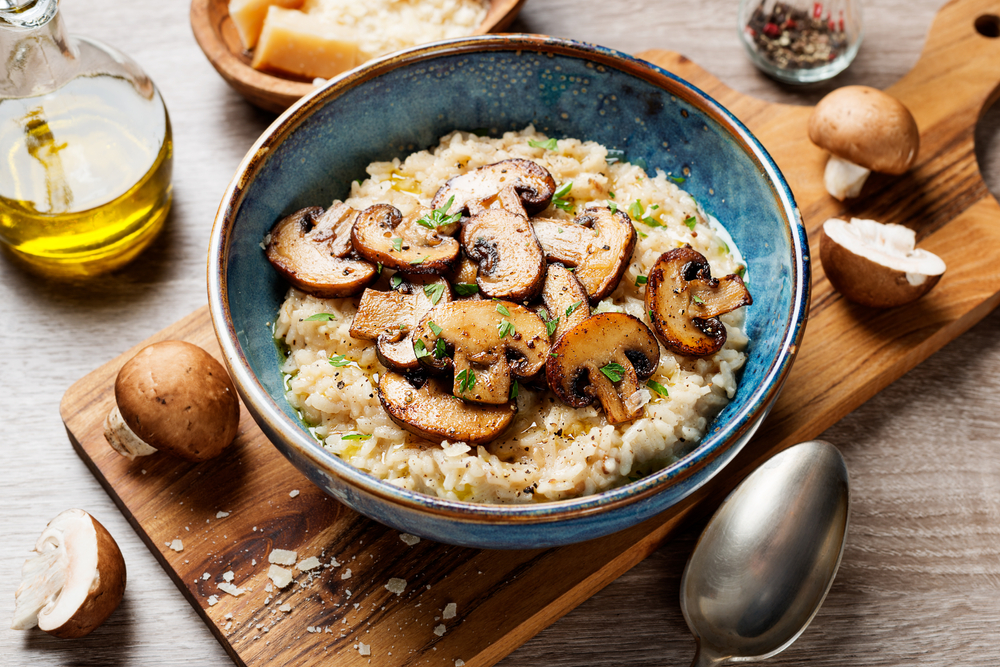
Vegan cheese risotto is endlessly customizable. For a mushroom lover’s twist, incorporate wild mushrooms like porcini or shiitake for an earthy flavor. A spring version with asparagus and peas brings freshness, while a roasted vegetable medley adds heartiness.
Try a truffle-infused vegan cheese risotto by drizzling truffle oil at the end. For a spicy kick, add red pepper flakes or roasted peppers. Gluten-free? It’s already there, but ensure your broth is certified. These variations keep vegan cheese risotto exciting and adaptable to any season or preference.
FAQs About Vegan Cheese Risotto
What makes vegan cheese risotto creamy without dairy? The creaminess comes from the starch released by Arborio rice during cooking, combined with cashew cream, coconut milk, or vegan cheese melts. Nutritional yeast adds a cheesy tang.
Can I make vegan cheese risotto in an Instant Pot? Yes! Sauté onions and rice in the pot, add broth and wine, then pressure cook on high for 6 minutes. Quick release, stir in cheese elements, and serve.
Is vegan cheese risotto gluten-free? Absolutely, as long as you use gluten-free broth and avoid cross-contamination. Arborio rice is naturally gluten-free.
How do I store leftover vegan cheese risotto? Cool it completely, then refrigerate in an airtight container for up to 3 days. Reheat with a bit of broth to restore creaminess.
What wine pairs best with vegan cheese risotto? A crisp white like Sauvignon Blanc complements the flavors, but for non-alcoholic options, use vegetable broth instead during cooking.
Final Words
In conclusion, vegan cheese risotto proves that plant-based eating can be indulgent and satisfying. With its creamy texture, bold flavors, and endless variations, it’s a must-try for anyone looking to explore vegan Italian cuisine. Whether you’re cooking for health, the planet, or pure enjoyment, this dish delivers on all fronts. Give it a whirl in your kitchen today—you won’t be disappointed!