Parmesan Mushroom Risotto: Creamy and Savory Recipe
December 10, 2025
Cheesy Spinach Artichoke Dip Recipe for Parties & Snacks
December 10, 2025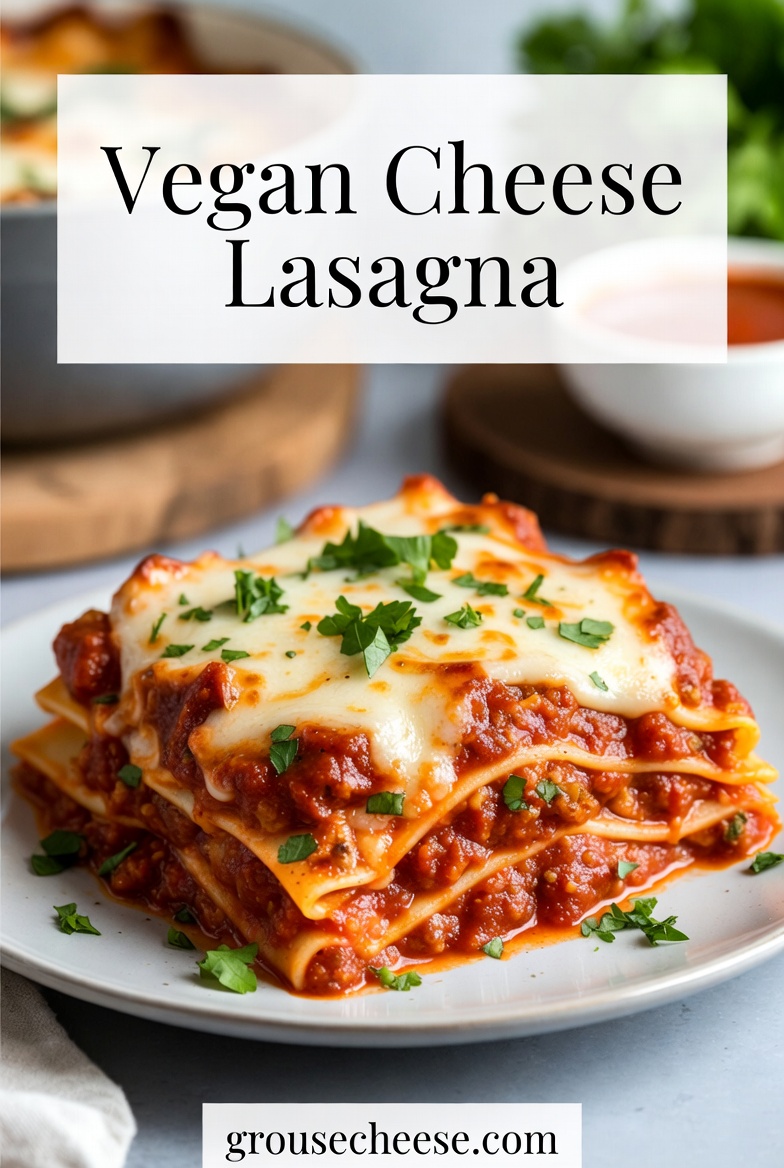
For many people transitioning to a plant-based diet, giving up Italian comfort food feels like the hardest hurdle. We often associate dishes like lasagna with layers of melting mozzarella and scoops of rich ricotta. However, modern plant-based cooking has evolved significantly. A truly delicious vegan cheese lasagna doesn’t just mimic the original; it stands on its own as a hearty, satisfying meal that even dairy lovers will enjoy.
This dish is the ultimate comfort food. It combines tender pasta sheets, a robust tomato marinara sauce, savory vegetables, and a creamy, dairy-free cheese filling that captures the essence of ricotta. Whether you are cooking for a family dinner, preparing meals for the week, or hosting friends with dietary restrictions, this recipe delivers on both flavor and texture.
In this guide, we will walk you through how to build the perfect vegan lasagna from scratch. We will explore the secret to getting that perfect “cheesy” texture without dairy, how to layer your ingredients for structural integrity, and the best vegetables to include for maximum flavor. Get ready to redefine what plant-based comfort food tastes like.
The Secret to Great Vegan Lasagna
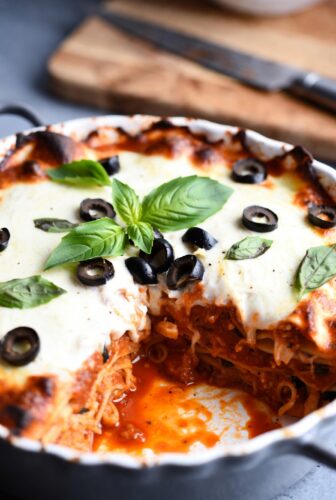
Creating a memorable vegan cheese lasagna requires paying attention to three main components: the “cheese,” the sauce, and the noodles.
The Dairy-Free Cheese Filling
The heart of any lasagna is the cheese layer. In traditional recipes, ricotta provides creaminess and moisture. To replicate this in a vegan version, we often turn to tofu or cashews. For this recipe, we will focus on a tofu-based ricotta. When crumbled and seasoned correctly with nutritional yeast, lemon juice, and garlic, firm tofu mimics the texture of ricotta surprisingly well. It is high in protein and absorbs flavors beautifully, making it the perfect vehicle for fresh herbs like basil and oregano.
The Sauce
A rich, flavorful marinara is essential. While store-bought sauce works in a pinch, taking a few minutes to doctor it up—or making your own—makes a huge difference. The acidity of the tomatoes cuts through the richness of the cheese filling, creating a balanced bite. We recommend a sauce packed with onions, garlic, and Italian herbs to ensure every layer of your vegan cheese lasagna is bursting with flavor.
The Vegetables
One benefit of skipping the meat is the opportunity to load up on vegetables. Spinach, zucchini, and mushrooms add texture and earthiness. Mushrooms, in particular, provide a savory “umami” quality that replaces the depth usually provided by ground meat. It is crucial, however, to cook these vegetables down before layering them to prevent your lasagna from becoming watery.
Ingredients for Vegan Cheese Lasagna
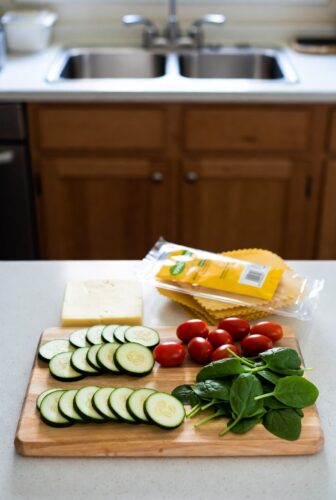
Here is everything you need to assemble this creamy and flavorful dish.
For the Vegan Ricotta:
- 2 blocks (14 oz each) extra-firm tofu, drained and pressed
- ½ cup nutritional yeast (essential for that “cheesy” flavor)
- 1 lemon, juiced (about 3 tablespoons)
- 2 tablespoons olive oil
- 3 cloves garlic, minced
- 2 teaspoons white miso paste (adds depth and saltiness)
- 1 tablespoon dried oregano
- 1 cup fresh basil leaves, chopped
- 1 ½ teaspoons salt
- ½ teaspoon black pepper
For the Vegetable Marinara:
- 2 tablespoons olive oil
- 1 yellow onion, diced
- 3 cloves garlic, minced
- 8 oz cremini mushrooms, sliced
- 5 cups (approx. 2 jars) high-quality marinara sauce
- 1 teaspoon dried Italian seasoning
- 1 bag (5 oz) fresh spinach
For Assembly:
- 1 box (16 oz) lasagna noodles (no-boil or regular, depending on preference)
- 2 cups shredded vegan mozzarella cheese (store-bought works well for the top layer)
- Fresh parsley or basil for garnish
Step-by-Step Recipe Instructions
Building a lasagna is a labor of love. Follow these steps to ensure your layers hold together and your flavors meld perfectly.
Step 1: Prepare the Vegan Ricotta
First, take your blocks of tofu and break them apart into a large mixing bowl. Use a fork or your hands to crumble the tofu until it resembles the texture of dairy ricotta. You want a mix of small curds, not a smooth paste.
Add the nutritional yeast, lemon juice, olive oil, minced garlic, miso paste, dried oregano, salt, and pepper. Mix thoroughly. Finally, fold in the fresh chopped basil. Taste the mixture. It should be savory, slightly tangy, and salty. Adjust the seasoning if necessary. Set this aside in the refrigerator to let the flavors marry while you prepare the sauce.
Step 2: Cook the Vegetable Sauce
Heat the olive oil in a large skillet or pot over medium heat. Add the diced onion and sauté for about 5 minutes until translucent. Add the mushrooms and cook for another 5-7 minutes. You want the mushrooms to release their moisture and start to brown. This step is vital to avoid a soggy lasagna.
Add the minced garlic and Italian seasoning, cooking for another minute until fragrant. Stir in the fresh spinach and cook until wilted. Finally, pour in the marinara sauce. Stir to combine and let it simmer for 5 minutes. Remove from heat.
Step 3: Prepare the Noodles
If you are using regular lasagna noodles, boil them in a large pot of salted water according to the package instructions, but undercook them slightly (al dente). They will continue cooking in the oven. Drain them and lay them flat on a baking sheet with a little oil to prevent sticking. If using no-boil noodles, you can skip this step, but ensure you have enough sauce to hydrate them during baking.
Step 4: Assemble the Lasagna
Preheat your oven to 375°F (190°C).
Grab a 9×13 inch baking dish. Spread about 1 cup of the vegetable marinara sauce on the bottom of the dish. This prevents the noodles from sticking and burning.
Layer 1: Place 3-4 lasagna noodles over the sauce, overlapping slightly if needed. Spread half of your tofu ricotta mixture evenly over the noodles.
Layer 2: Top the ricotta with about 1 ½ cups of the marinara sauce.
Layer 3: Place another layer of noodles. Spread the remaining tofu ricotta over these noodles.
Layer 4: Top with more sauce. Add a final layer of noodles.
Top Layer: Pour the remaining marinara sauce over the top layer of noodles, ensuring they are completely covered so they don’t dry out. Sprinkle the shredded vegan mozzarella generously over the top.
Step 5: Bake
Cover the baking dish tightly with aluminum foil. To prevent the cheese from sticking to the foil, you can lightly spray the underside of the foil with oil. Bake for 40 minutes.
Remove the foil and bake for another 15-20 minutes, or until the sauce is bubbly and the cheese on top has melted and started to brown slightly.
Step 6: Rest and Serve
This is the hardest part: waiting. Remove the lasagna from the oven and let it rest for at least 15 to 20 minutes before slicing. If you cut into it immediately, the layers will slide apart. Resting allows the lasagna to set, ensuring you get perfect, distinct layers when you serve it. Garnish with fresh parsley or basil and serve warm.
Tips for Perfecting Your Dish
- Press Your Tofu: Even “extra firm” tofu holds a lot of water. For the best ricotta texture, wrap your tofu blocks in a clean kitchen towel and place a heavy object (like a cast-iron skillet) on top for 20 minutes before crumbling. This removes excess moisture and allows the tofu to absorb more flavor.
- Don’t Skimp on Salt: Tofu is very bland on its own. It needs adequate salt and acid (lemon juice) to mimic the flavor profile of cheese. Don’t be afraid to taste your ricotta mixture before assembling.
- Greens Management: If you want to add more greens like kale or chard, make sure to sauté them first to remove water. Raw greens release liquid as they cook, which can result in a soupy lasagna.
- No-Boil Noodles: If you use no-boil noodles, you may need slightly more marinara sauce or a splash of water added to the sauce, as these noodles absorb significant liquid while baking.
Frequently Asked Questions (FAQs)
Can I make this gluten-free?
Absolutely. Simply swap the wheat-based lasagna noodles for a gluten-free variety, such as brown rice noodles or chickpea pasta. The rest of the ingredients—tofu, vegetables, and marinara—are naturally gluten-free. Just double-check your soy sauce or miso paste to ensure they are certified gluten-free (use tamari instead of soy sauce if needed).
Can I freeze vegan cheese lasagna?
Yes, this dish freezes wonderfully. You can freeze it baked or unbaked.
- Unbaked: Assemble the lasagna in a freezer-safe dish, cover tightly with plastic wrap and foil, and freeze for up to 3 months. Thaw in the fridge overnight before baking (you may need to add extra baking time).
- Baked: Let it cool completely, then slice into individual portions. Wrap each piece in foil and place in a freezer bag. This makes for excellent meal prep.
What if I have a soy allergy?
If you cannot eat soy, you cannot use tofu for the ricotta. Instead, you can make a cashew-based ricotta. Soak 2 cups of raw cashews in water overnight, drain, and blend with lemon juice, nutritional yeast, garlic, and a little water until you reach a ricotta-like consistency. It is richer and creamier than tofu but equally delicious.
Why is my lasagna watery?
Watery lasagna is usually caused by vegetables releasing liquid during baking. To prevent this, ensure you sauté your mushrooms, onions, and spinach thoroughly before layering them. Also, drain your tofu well. If using fresh tomatoes in your sauce, cook the sauce down until it is thick.
What side dishes go well with this?
This is a rich and hearty main course, so lighter sides work best. A crisp green salad with a balsamic vinaigrette, roasted asparagus, or garlic bread (made with olive oil or vegan butter) are perfect accompaniments.
Final Words
Making a vegan cheese lasagna is a rewarding culinary project that proves you don’t need dairy to enjoy deep, savory Italian flavors. It is a dish that brings people together, offering warmth and comfort in every bite. Whether you are a committed vegan or simply trying to incorporate more plant-based meals into your diet, this recipe is a reliable staple that will never disappoint.
We encourage you to experiment with the fillings—try adding roasted red peppers, zucchini, or even meatless ground crumbles for different variations. The versatility of lasagna is part of its charm. So, gather your ingredients, preheat that oven, and get ready to enjoy a creamy, flavorful dinner that everyone at the table will love.